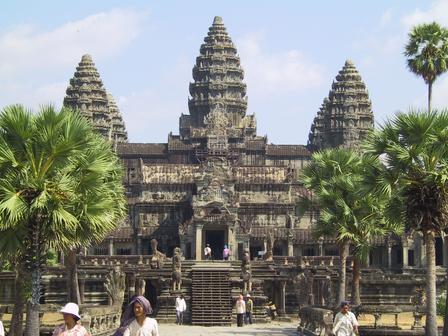
Angkor Wat Temple Construction Begins
Cambodia
Cultural Heritage
3 min read
Updated By: History Editorial Network (HEN)
Published:
In 1113, the construction of the temple complex of Angkor Wat began in Cambodia. This monumental architectural endeavor was commissioned by King Suryavarman II, a powerful ruler of the Khmer Empire. The temple complex was dedicated to the Hindu god Vishnu, showcasing intricate carvings and detailed bas-reliefs that depict tales from Hindu mythology.
Angkor Wat was constructed using sandstone blocks transported from a quarry located more than 50 kilometers away, a testament to the advanced engineering skills of the Khmer people. The temple complex covers an area of over 400 acres and is surrounded by a vast moat, symbolizing the mythical Mount Meru in Hindu cosmology.
The completion of Angkor Wat not only served as a religious center but also as a political capital for the empire. Its grandeur and architectural sophistication demonstrated the wealth and power of the Khmer Empire to neighboring kingdoms.
Today, Angkor Wat stands as a UNESCO World Heritage site and remains one of the most important archaeological sites in Southeast Asia, attracting millions of visitors annually. The temple complex is a symbol of Cambodia's rich cultural heritage and its glorious past, serving as a source of national pride and identity.
#AngkorWat #KhmerEmpire #CambodianHeritage

Explore the Life Moments of
 AI Twin