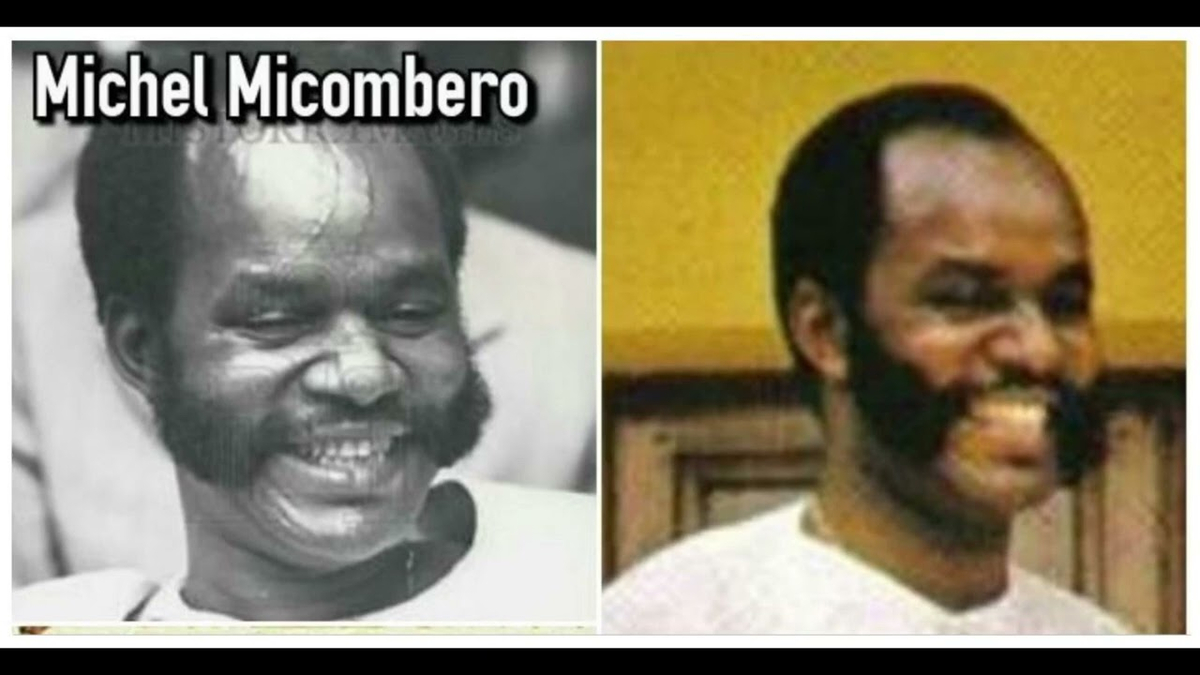
Monarchy Overthrown by Military Coup
Burundi
Political
Ethnic Conflict
3 min read
Updated By: History Editorial Network (HEN)
Published:
In 1966, a military coup led by Michel Micombero overthrew the monarchy in Burundi. The coup was a result of growing tensions between the Tutsi and Hutu ethnic groups, exacerbated by the monarchy's perceived favoritism towards the Tutsi elite. Micombero, a Tutsi himself, seized power and established a republic, marking the end of centuries of monarchical rule.
The coup had a significant impact on Burundi's political landscape, sparking further ethnic violence and instability. Micombero's regime implemented policies that marginalized the Hutu majority, leading to widespread human rights abuses and political repression. The coup also set the stage for decades of ethnic conflict and civil war in the country.
Despite the initial promise of stability, Micombero's authoritarian rule proved to be detrimental to Burundi's social fabric. His government's discriminatory practices and violence sowed the seeds of deep-seated ethnic tensions that would continue to plague the nation in the years to come. The military coup led by Micombero reshaped Burundi's political trajectory, leaving a legacy of division and strife that persists to this day.
#Burundi #MilitaryCoup #EthnicConflict #PoliticalInstability
Primary Reference
November 1966 Burundian coup d'état - Wikipedia

Explore the Life Moments of
 AI Twin