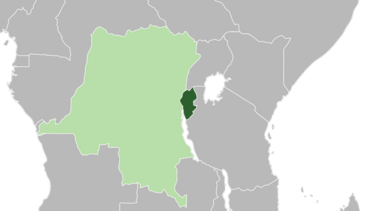
Burundi becomes part of Ruanda-Urundi under Belgian rule
Burundi
Global Trade
Political
3 min read
Updated By: History Editorial Network (HEN)
Published:
Updated:
Following the rearrangement of territories in Africa post-World War I, Burundi came under Belgian administration as part of Ruanda-Urundi in 1924. Prior to this, Burundi had been under German rule until Germany's defeat in the war led to Belgium taking control. The Belgian administration introduced policies that favored the Tutsi minority over the Hutu majority, deepening ethnic tensions that would have lasting effects.
Under Belgian rule, Burundi saw an increase in forced labor, taxation, and land expropriation, leading to widespread discontent among the Hutu population. The divide between the Hutu and Tutsi ethnic groups was further exacerbated by the favoritism shown towards the Tutsi by the colonial administration.
The legacy of Belgian rule and the division it created between ethnic groups continued to affect Burundi long after gaining independence. The ethnic tensions sown during this period would eventually erupt into violence, leading to cycles of conflict and political instability in the country.
#EuropeanColonization #EthnicTensions #ColonialLegacy #Burundi #BelgianAdministration
Primary Reference
the 1994 Genocide against the Tutsi in Rwanda

Explore the Life Moments of
 AI Twin