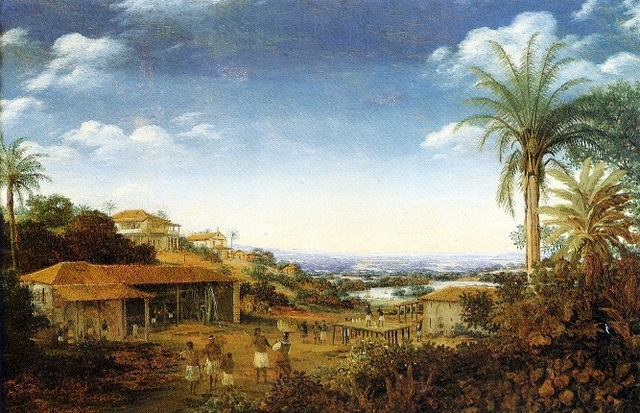
Portugal establishes sugar colony in Bahia.
Brazil
Colonialism
Economic Expansion
3 min read
Updated By: History Editorial Network (HEN)
Published:
In the 16th century, Portugal established a sugar colony in Bahia, Brazil. This decision was influenced by the growing demand for sugar in Europe, leading Portugal to exploit the fertile land and suitable climate of Bahia for sugarcane cultivation. By founding this colony, Portugal aimed to increase its wealth and strengthen its colonial presence in the region.
The establishment of the sugar colony in Bahia had a profound impact on the local economy and society. It led to the introduction of large-scale agricultural practices, the importation of African slaves for labor, and the development of an intricate trading network. The colony quickly became a significant supplier of sugar to European markets, contributing to Portugal's economic prosperity.
Over time, Bahia flourished as a hub of sugar production, attracting settlers, merchants, and entrepreneurs seeking opportunities in the lucrative industry. The influx of diverse cultures and peoples shaped the identity of the region and left a lasting impact on its social fabric.
The founding of the sugar colony at Bahia marked a pivotal moment in the history of Brazil, setting the stage for centuries of sugar cultivation and shaping the country's economic trajectory. It exemplifies the complexities of colonialism, economic exploitation, and cultural exchange that defined the era.
#Portugal #SugarColony #Bahia #Brazil #Colonialism #EconomicExpansion #CulturalExchange

Explore the Life Moments of
 AI Twin