Tiwanaku Empire: Peak Advancements in Agriculture, Architecture, and Art
Bolivia
Art
3 min read
Updated By: History Editorial Network (HEN)
Published:
The Tiwanaku Empire, located in present-day Bolivia, experienced a period of prosperity characterized by notable advancements in agriculture, architecture, and art. The empire's agricultural techniques, such as raised field farming and irrigation systems, ensured food security and supported a growing population. This success in agriculture enabled the Tiwanaku people to focus on other aspects of their society, particularly architecture and art.
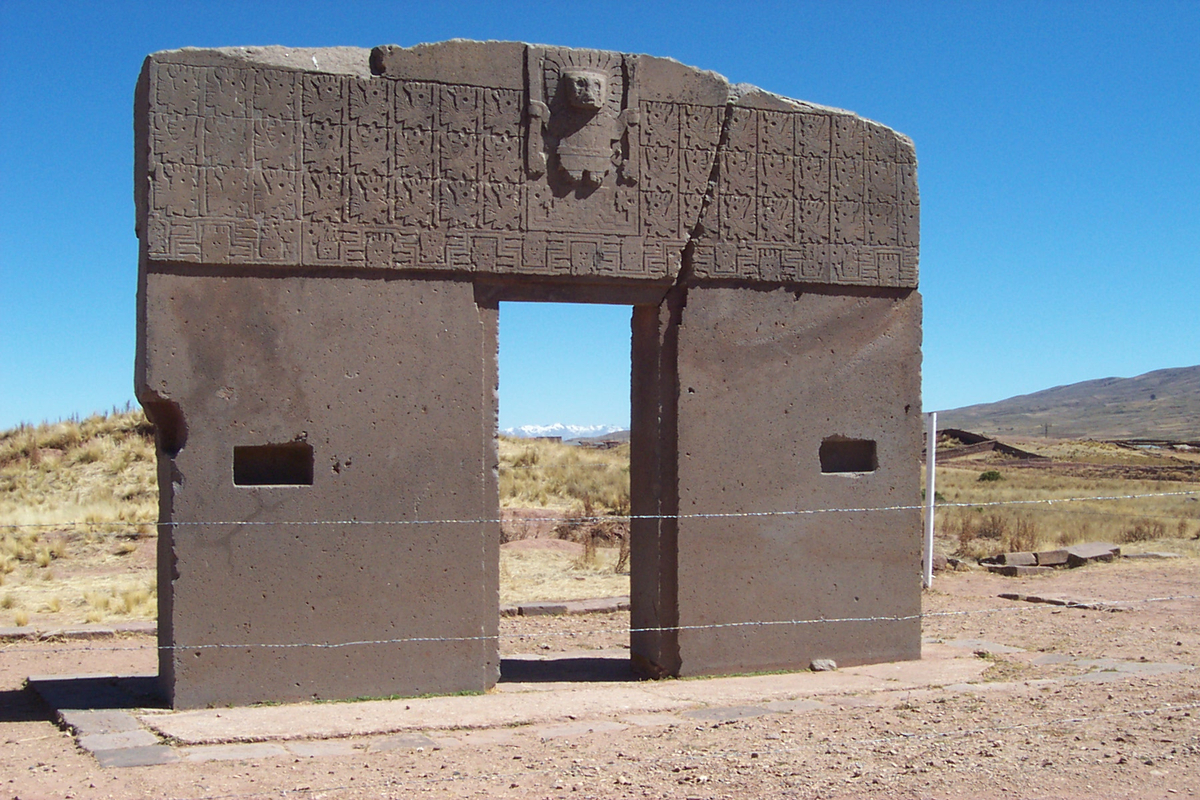
Architecturally, the Tiwanaku Empire constructed impressive structures like the Akapana pyramid and the monumental Gate of the Sun. These architectural feats showcased their engineering skills and cultural sophistication. In addition to grand architectural projects, the Tiwanaku people excelled in creating intricate pottery, textiles, and sculptures, displaying their artistic prowess.
The advancements in agriculture, architecture, and art during this period had a significant impact on the Tiwanaku Empire's influence in the region. Their agricultural surplus allowed for trade networks to flourish, enhancing cultural exchange and strengthening diplomatic ties. The architectural and artistic achievements solidified the empire's legacy as a cultural powerhouse in the Andean region.
#TiwanakuEmpire #AgriculturalAdvancements #ArchitecturalFeats #ArtisticProwess #Bolivia
Primary Reference
Inca Civilization - World History Encyclopedia

Explore the Life Moments of
 AI Twin