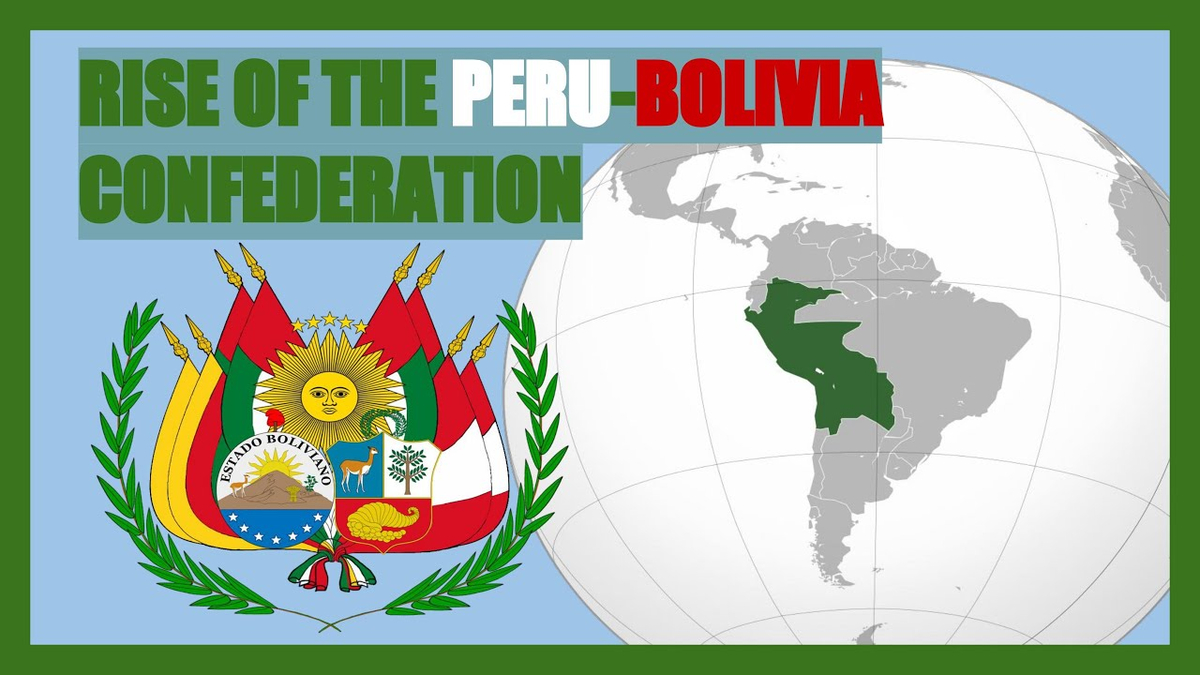
Peru-Bolivia Confederation Formed
Bolivia
Political
Regional Unity
3 min read
Updated By: History Editorial Network (HEN)
Published:
Updated:
In 1836, Bolivia solidified a confederation with Peru, forming the Peru-Bolivia Confederation. The union was spearheaded by Bolivian leader Andrés de Santa Cruz, aiming to create a more influential political entity in South America amidst regional unrest. The confederation sought to bolster economic stability and increase military power, with plans to centralize governance and promote regional collaboration.
This alliance had far-reaching implications for the region, as it provoked resistance from neighboring countries like Chile and Argentina. Internal discord also arose, particularly in Peru, where opposition to the confederation grew. Ultimately, the Peru-Bolivia Confederation faced military defeat in the face of concerted external and internal pressures, leading to its dissolution after a brief existence.
The legacy of the Peru-Bolivia Confederation resonates in the histories of both nations, reflecting aspirations for regional unity and power consolidation that faced challenges of governance and sovereignty. Despite its eventual dissolution, the confederation remains a significant chapter in Bolivian history, highlighting the complexities of forging political alliances in a volatile geopolitical landscape.
#Bolivia #Peru #Confederation #RegionalUnity #Geopolitics

Explore the Life Moments of
 AI Twin