Fall of Tiwanaku Empire due to Environmental Factors and Internal Conflicts led to Decline
Bolivia
Environment
3 min read
Updated By: History Editorial Network (HEN)
Published:
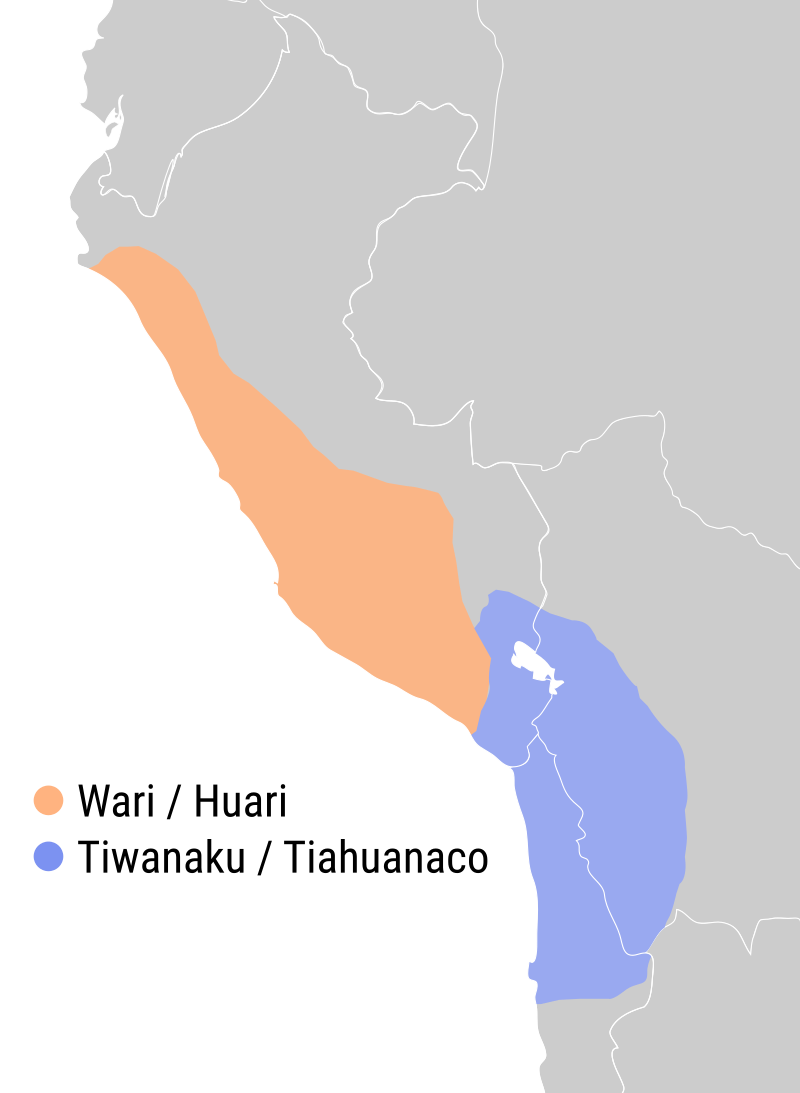
The Tiwanaku Empire faced a complex interplay of environmental challenges and internal strife. Situated in present-day Bolivia, the empire's decline was influenced by factors such as erratic rainfall patterns, soil depletion, and the exhaustion of natural resources which affected agricultural productivity. These environmental stressors contributed to food shortages, leading to internal conflicts over scarce resources.
Additionally, the empire experienced political instability and power struggles among the ruling elite, further weakening its central authority. This internal discord hindered the empire's ability to effectively respond to the environmental pressures it faced, exacerbating its decline.
As the once-thriving Tiwanaku Empire faltered, its influence waned, leading to the fragmentation of its territories and the eventual collapse of its societal structure. The remnants of this ancient civilization serve as a reminder of the intricate relationship between environmental sustainability, social cohesion, and political stability in shaping the trajectory of civilizations.
#TiwanakuEmpire #EnvironmentalDegradation #InternalConflicts #BoliviaHistory
Primary Reference
1000 years of population, warfare, and climate change in pre ...

Explore the Life Moments of
 AI Twin