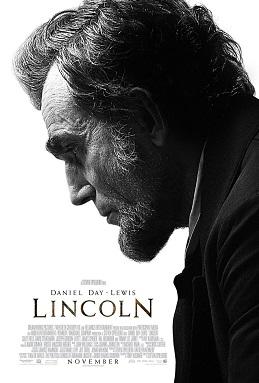
Lincoln
Entertainment
4 min read
Updated By: History Editorial Network (HEN)
Published:
Updated:
Lincoln (2012) is a powerful, dialogue-driven biographical drama directed by Steven Spielberg that focuses on the final months of Abraham Lincoln’s life, specifically his determined push to pass the 13th Amendment to abolish slavery. Daniel Day-Lewis delivers a masterclass performance as Lincoln, portraying the president with quiet gravitas, strategic brilliance, and deep moral conviction. Rather than a sweeping cradle-to-grave portrait, the film zeroes in on the political maneuvering, personal sacrifices, and ethical complexities that defined Lincoln’s leadership during the final days of the Civil War. Tommy Lee Jones plays the fiery abolitionist Thaddeus Stevens, while Sally Field gives an emotionally layered portrayal of Mary Todd Lincoln, caught between grief and political turmoil.
Critically acclaimed for its historical accuracy, meticulous production design, and sharp screenplay by Tony Kushner, Lincoln was both a box office success and an awards-season juggernaut. It grossed over $275 million worldwide on a $65 million budget. The film earned twelve Academy Award nominations and won two: Best Actor for Daniel Day-Lewis—making him the first man to win three Oscars in that category—and Best Production Design. It also won praise for its understated direction, avoiding bombast in favor of deep political tension and moral clarity.
Lincoln is widely regarded as one of the finest historical dramas of the 21st century. Its legacy rests not just on Day-Lewis’s towering performance, but on its thoughtful exploration of leadership, compromise, and the enormous human and political cost of social change. It remains a landmark achievement in both biographical storytelling and American cinema.
Primary Reference
Fox Partnering with DreamWorks on Steven Spielberg's 'Lincoln

Explore the Life Moments of
 AI Twin