Josep
Entertainment
4 min read
Updated By: History Editorial Network (HEN)
Published:
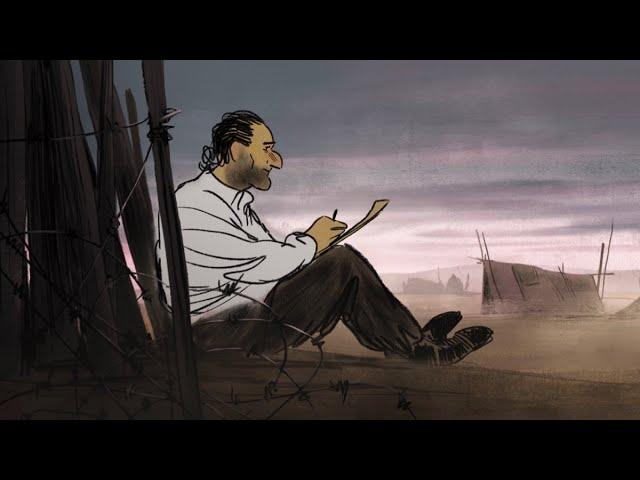
Josep (2020), directed by debut filmmaker Aurel, is a poignant animated biographical drama that shines a light on the life of Catalan artist and anti-Franco activist Josep Bartolí. Set against the backdrop of the Spanish Civil War’s aftermath, it begins in 1939, capturing the tumult of Spanish Republicans escaping to France, only to be interned in brutal, overcrowded camps. It’s within this bleak context that Bartolí—voiced by Sergi López—forms an unlikely but profound friendship with a French gendarme, who secretly provides him paper and pencils. These acts of compassion become a lifeline for Bartolí’s spirit and art as he endures hardship and loss.
The film’s narrative folds through flashbacks and forward leaps, tracing Bartolí’s journey from the camps to his life in Paris, Mexico, and eventually New York, where he crosses paths with renowned artists like Frida Kahlo. Despite its 74-minute runtime, the story feels expansive, chronicling not only his external exile but his internal resilience and enduring creativity.
Visually, Josep is striking—rendered in a hand-drawn, painterly style that mirrors Bartolí’s own artwork. The animation balances stark monochrome sequences with warm washes of color, reflecting moments of human connection amid despair. Sílvia Pérez Cruz’s understated score complements the visuals, allowing quiet moments to reverberate emotionally.
The film garnered universal acclaim in Europe, winning France’s César for Best Animated Film and the European Film Award in the same category. It also became a cultural milestone, drawing attention to a largely forgotten chapter of refugee history and the redemptive power of art under adversity. Josep stands as a moving testament to human dignity—a short yet deeply resonant portrait of compassion, exile, and creative survival.

Explore the Life Moments of
 AI Twin