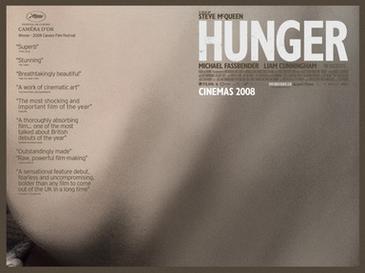
Hunger
Entertainment
4 min read
Updated By: History Editorial Network (HEN)
Published:
Updated:
Hunger (2008) is a stark, unsettling biographical drama marking Steve McQueen's directorial debut, focusing on the 1981 IRA hunger strike at Northern Ireland's Maze Prison. The film zeroes in on Bobby Sands, played in a hauntingly physical performance by Michael Fassbender, as he renounces food in protest against political repression. It doesn’t hold back—its slow-moving shots, intense close-ups, and long, tense scenes of communal chaos inside the block submerge you in the claustrophobia and desperation of prison life.
Rather than dramatize the political backstory, Hunger immerses you in visceral experience: moments of silent comradeship, psychological unraveling, and ritualized brutality. The famous 17-minute single-take sequence of a prison meal shatters emotional composure—it’s more atmosphere than exposition, and entirely harrowing. Fassbender, using his body as much as words, shows how power, martyrdom, and anguish can coexist in a man’s final descent.
While it had limited commercial reach, the film became a critical sensation. Critics praised its formal rigor, raw performances, and refusal to sentimentalize political violence. It won multiple awards, including the Camera d’Or at Cannes for best first feature and several British Independent Film Awards.
More than a history lesson, Hunger is a relentless meditation on sacrifice, resistance, and humanity under duress. Its legacy lies in its uncompromising artistry—a film that demands discomfort to convey truth, turning political conviction into a cinematic crucible.
Primary Reference
Anger as new film of IRA hero Bobby Sands screens at Cannes

Explore the Life Moments of
 AI Twin