Frida
Entertainment
4 min read
Updated By: History Editorial Network (HEN)
Published:
Updated:
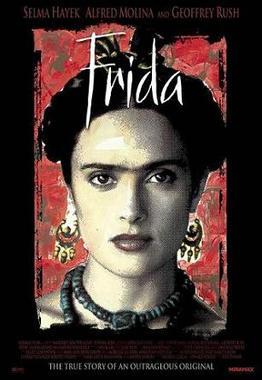
Frida (2002) is a visually striking and emotionally charged biographical drama directed by Julie Taymor, chronicling the turbulent life, artistic evolution, and enduring legacy of Mexican painter Frida Kahlo. Salma Hayek stars in a career-defining role as Kahlo, capturing her fierce spirit, physical pain, and deep political convictions. The film follows Frida’s life from a near-fatal bus accident that left her with lifelong injuries, through her passionate and often volatile marriage to famed muralist Diego Rivera (played by Alfred Molina), her affairs with both men and women, and her unfiltered exploration of identity, politics, and trauma through her surrealist and deeply personal artwork.
Frida was both a critical and commercial success, grossing over $56 million worldwide on a $12 million budget. Critics praised Taymor’s lush, painterly direction, the integration of Kahlo’s artwork into the film’s visual language, and Hayek’s commanding performance, which she also helped produce. The film won two Academy Awards—Best Makeup and Best Original Score—and received four other nominations including Best Actress for Hayek, Best Art Direction, Best Costume Design, and Best Original Song. It also won a BAFTA for Best Makeup and received Golden Globe nominations. Beyond its awards recognition, Frida helped bring Kahlo’s legacy to a broader global audience, highlighting her influence not only as an artist but as a feminist and cultural icon. The film remains a vivid, sensual tribute to a woman who transformed pain into beauty and lived boldly in defiance of societal constraints.
Primary Reference
Frida controversy brews with Mexican critics

Explore the Life Moments of
 AI Twin