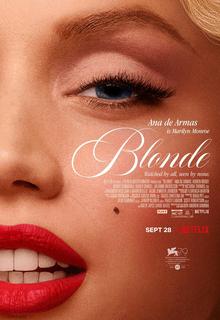
Blonde
Entertainment
4 min read
Updated By: History Editorial Network (HEN)
Published:
Updated:
Blonde (2022) is a daring, psychological dramatization of Marilyn Monroe’s life, directed and written by Andrew Dominik, adapted from Joyce Carol Oates’s fictionalized novel. Ana de Armas delivers a mesmerizing, transformative performance as Monroe—shifting between her real name, Norma Jeane, and the icon she became—capturing both her allure and deep vulnerability. The film unfurls in a fragmented, nightmarish style, moving through black-and-white and color sequences, shifting aspect ratios, and surreal vignettes that explore trauma, exploitative Hollywood pressures, relationships, and Monroe’s quest for self amid her public persona.
With a production budget around $22 million, the film premiered at the Venice Film Festival to a 14‑minute standing ovation and saw limited theatrical release before debuting on Netflix. While Ana de Armas’s performance was widely praised as career-defining, the film itself polarized critics and audiences. Viewers and reviewers praised its bold visuals, score, and emotional ambition, yet many criticized its brutal and sensationalist depiction of Monroe’s suffering—describing it as exploitative rather than empathetic. It holds a mixed-to-average reception overall.
Awards recognition reflected this split: De Armas earned nominations for Best Actress at the Oscars, Golden Globes, BAFTA, and SAG, while the film earned ignoble wins at the Razzie Awards for Worst Picture and Worst Screenplay. Despite its dismal reception by some, Blonde made a significant cultural impact by pushing the boundaries of what a biopic can be—turning the genre into an unsettling, immersive experience rather than a traditional narrative. Its legacy lies in its fearless aesthetic, raw emotional symbolism, and the conversation it sparked around celebrity, trauma, and the fine line between portrait and provocation.

Explore the Life Moments of
 AI Twin