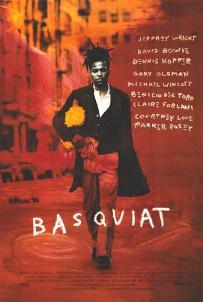
Basquiat
Entertainment
4 min read
Updated By: History Editorial Network (HEN)
Published:
Updated:
Basquiat (1996) is a visually rich and emotionally introspective biographical drama directed by artist and filmmaker Julian Schnabel, chronicling the meteoric rise and tragic fall of Jean-Michel Basquiat, the groundbreaking neo-expressionist painter who emerged from the New York City graffiti scene in the late 1970s. Jeffrey Wright delivers a haunting and quietly electrifying performance as Basquiat, capturing both his raw creative energy and the growing isolation that came with fame, racial tension, and substance abuse. The film traces Basquiat’s journey from living homeless and painting on city walls to becoming a star of the contemporary art world, where he forms a pivotal, complex friendship with Andy Warhol—portrayed with eerie subtlety by David Bowie.
Rather than relying on conventional biopic structure, Basquiat flows like one of his paintings—erratic, emotional, and bursting with life and chaos. It highlights the art world’s hypocrisy, the commodification of Black talent, and Basquiat’s internal conflict as he’s embraced and consumed by the very establishment he once stood against. The soundtrack, featuring jazz, hip-hop, and punk, complements the film’s energy and cultural setting.
Although Basquiat was only a modest box office success, it received strong critical praise, particularly for Wright’s performance and Schnabel’s personal, painterly direction. The film also features an all-star supporting cast, including Benicio Del Toro, Gary Oldman, Dennis Hopper, and Christopher Walken, each adding layers to the chaotic orbit surrounding Basquiat. Over time, the film has earned a revered place in biopic cinema—not just as a portrait of an artist, but as a meditation on genius, race, and self-destruction in a world more interested in branding than understanding.
Primary Reference
Basquiat (1996)

Explore the Life Moments of
 AI Twin