Global Commitment to Reduce Greenhouse Gas Emissions
United States of America
Global Policy
Climate Action
5 min read
Updated By: History Editorial Network (HEN)
Published:
In the latter part of the 20th century, the global community faced growing concerns over climate change and its potential impacts on the environment. Responding to these concerns, representatives from 41 countries gathered in Kyoto, Japan, to formulate a treaty aimed at mitigating the dangers posed by greenhouse gases.
The culmination of these discussions resulted in the creation of the Kyoto Protocol Agreement. This treaty marked a concerted effort by multiple nations to curb their greenhouse gas emissions, aiming for a collective reduction of approximately 5% below 1990 levels over a designated commitment period. This agreement was particularly noteworthy because it included binding targets for industrialized countries, which were seen as the primary contributors to global emissions.
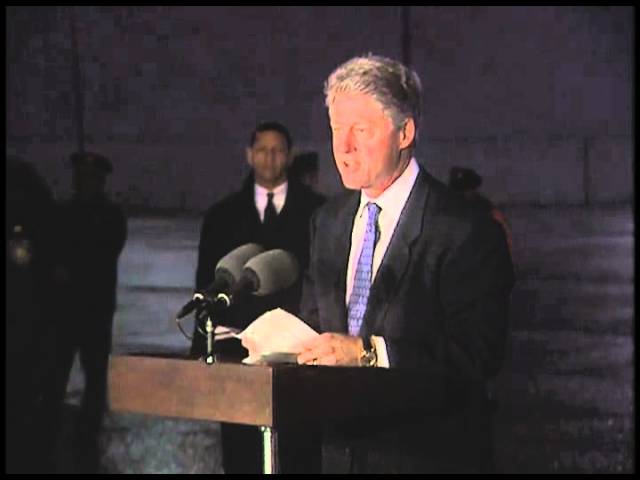
The United States, under the administration of President Bill Clinton at the time, played a pivotal role in these negotiations. Despite initial support from the executive branch, the country’s participation in the protocol faced significant political hurdles domestically, with concerns over economic impact and industrial competitiveness sparking debate among policymakers. Ultimately, the U.S. never ratified the protocol, citing the exclusion of developing countries from mandatory emission targets as a key reason.
Despite these challenges, the Kyoto Protocol set a precedent for international climate agreements. It brought forth mechanisms such as emissions trading, the Clean Development Mechanism (CDM), and Joint Implementation (JI). These tools allowed countries to collaborate and innovate in reducing their carbon footprints, fostering international cooperation on environmental sustainability.
In the years following the establishment of the Kyoto Protocol, the world saw mixed outcomes. While some countries met or even exceeded their emission reduction targets, others struggled. Nonetheless, the treaty catalyzed a global dialogue on climate change, laying the groundwork for subsequent international efforts such as the Paris Agreement.
The Kyoto Protocol’s legacy lies in its role in awakening a global consciousness about the importance of reducing greenhouse gas emissions and addressing climate change. It underscored the necessity for both developed and developing nations to work jointly towards a sustainable future.
#KyotoProtocol #ClimateAction #GlobalPolicy #BillClinton #EmissionReduction #EnvironmentalSustainability #UNFCCC #MoofLife
Primary Reference
Success or failure? The Kyoto Protocol's troubled legacy - Foresight

Explore the Life Moments of
 AI Twin