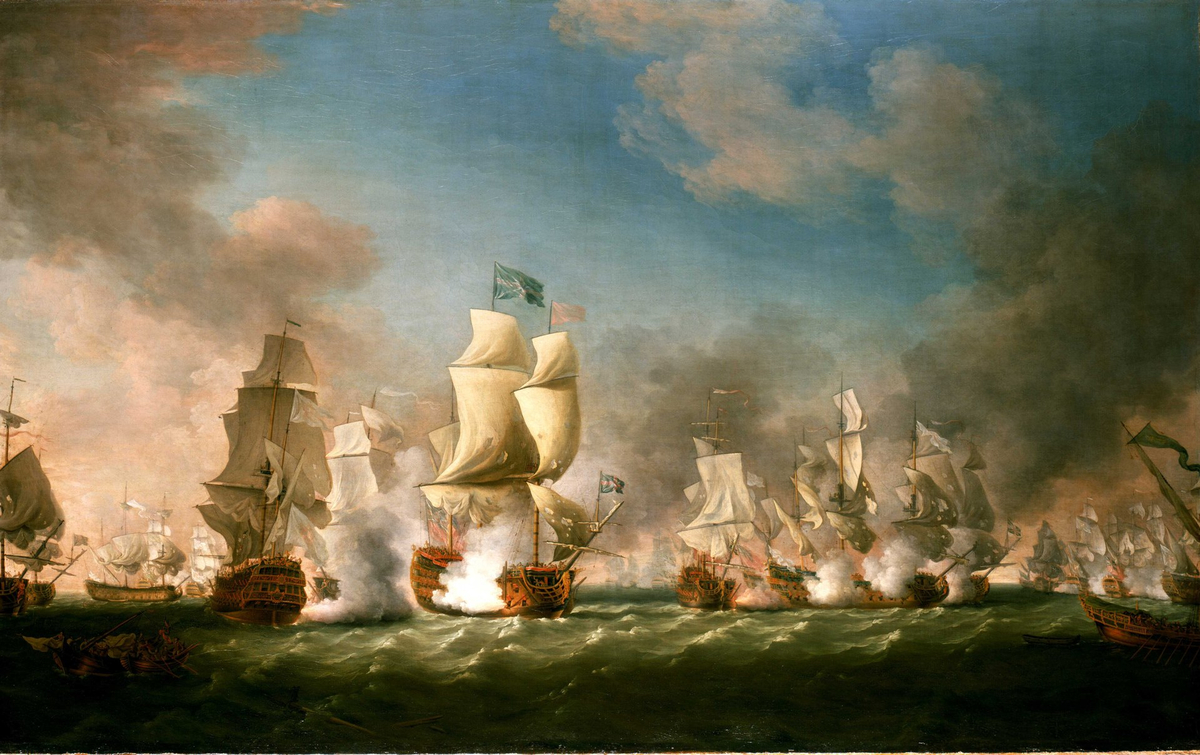
Treaty of The Hague (1720)
Austria
Political
European Politics
6 min read
Updated By: History Editorial Network (HEN)
Published:
Updated:
The Treaty of The Hague (1720) was a diplomatic agreement signed on February 17, 1720, between Great Britain, France, Spain, Austria, and the Dutch Republic. It was primarily aimed at resolving the conflicts stemming from the War of the Quadruple Alliance (1718–1720) and maintaining the balance of power in Europe.
Background: The War of the Quadruple Alliance
The treaty was a direct response to Philip V of Spain’s aggressive expansionist policies. Spain had attempted to reclaim territories in Italy that were lost after the War of Spanish Succession (1701–1714). This led to tensions with the Quadruple Alliance—Britain, France, Austria, and the Dutch Republic—which sought to prevent any single power from dominating Europe. Spain's unsuccessful invasions of Sicily and Sardinia prompted these nations to take military action.
Key Terms of the Treaty
The Treaty of The Hague established a new diplomatic framework and enforced several territorial adjustments:
Spain renounced its claims to Sardinia and Sicily. These territories were transferred, with Sicily going to Austria and Sardinia to the Duke of Savoy.
Spain’s recognition of the Treaty of Utrecht (1713) was reaffirmed, ensuring the territorial settlements made after the War of Spanish Succession remained intact.
The Spanish Infante Charles (future Charles III of Spain) was promised the right to inherit the duchies of Parma, Piacenza, and Tuscany upon the extinction of their ruling families. This was a diplomatic compromise allowing Spain to retain influence in Italy.
Britain maintained control over Gibraltar and Minorca, securing its naval dominance in the Mediterranean.
France and Britain pledged to uphold the Protestant succession in Britain, supporting King George I against Jacobite threats backed by Spain.
Impact and Significance
The Treaty of The Hague successfully ended the war, reinforced the balance of power in Europe, and contained Spanish ambitions. While Philip V was forced to abandon his immediate territorial ambitions, the treaty allowed Spain to pursue long-term dynastic strategies in Italy. Additionally, it solidified Britain’s growing influence as a leading maritime power and strengthened Austria’s position in Southern Europe.
Ultimately, while it brought temporary stability, the underlying rivalries among European powers would resurface in later conflicts, including the War of Austrian Succession (1740–1748).
#MomentsOfLife #MoofLife_Moment #MoofLife #TreatyOfTheHague #History #1720 #EuropeanDiplomacy #WarAndPeace
Primary Reference
Treaty of The Hague (1720)

Explore the Life Moments of
 AI Twin