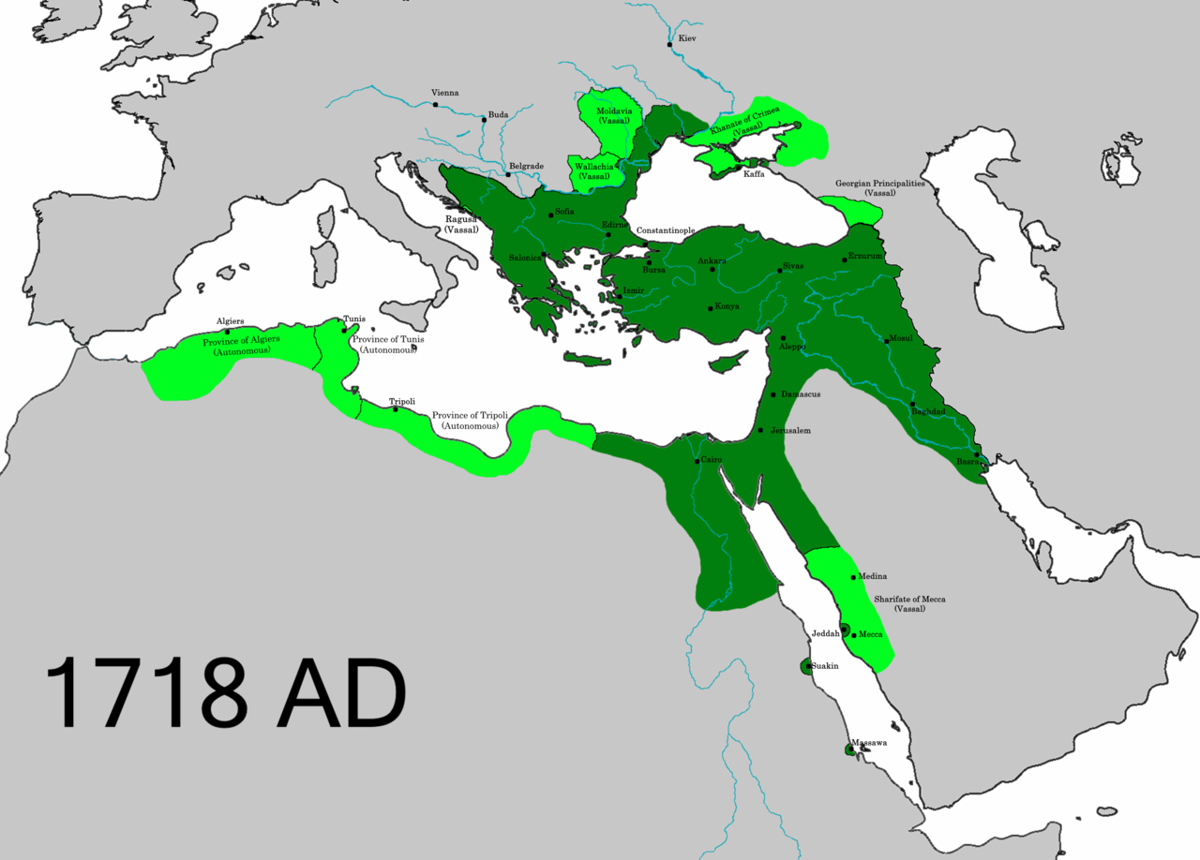
Treaty ends conflict between regions, marking significant historical outcome in Europe's political landscape.
Austria

Geopolitics
3 min read
Updated By: History Editorial Network (HEN)
Published:
Updated:
Amid the Austro-Ottoman War, the Treaty of Passarowitz was signed to put an end to the conflict between the Habsburg Monarchy and the Ottoman Empire. The treaty was pivotal in reshaping the power dynamics in Southeastern Europe. Through the accord, the Ottomans ceded territories to Austria, including parts of Serbia and the Banat region. This marked a significant weakening of the Ottoman territorial control in the region.
The treaty also allowed Austria to consolidate its influence and control over key strategic areas, enhancing its position as a dominant force in Europe. Furthermore, the agreement facilitated a period of relative stability in the region, providing an opportunity for economic and cultural development.
The Treaty of Passarowitz was not only a momentous event in the context of the Austro-Ottoman War but also had long-lasting implications for the geopolitical landscape of Europe. It signified the decline of the Ottoman Empire and the rise of Austria as a major power in the region, laying the foundation for future developments in European history.
#TreatyofPassarowitz #AustroOttomanWar #HabsburgMonarchy #OttomanEmpire #Geopolitics
Primary Reference
Treaty of Passarowitz | Ottoman, Habsburg, Balkans | Britannica

Explore the Life Moments of
 AI Twin