Georges Braque and Analytic Cubism
Italy
Art
Cubism
Modern Art
3 min read
Updated By: History Editorial Network (HEN)
Published:
Updated:
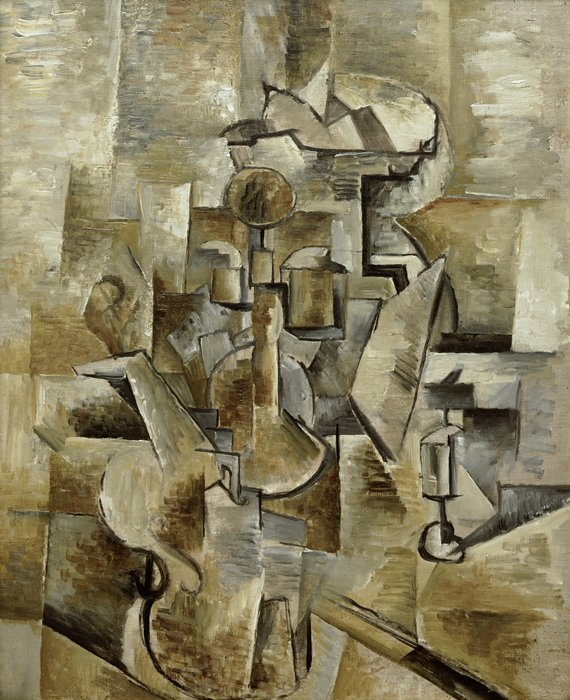
Georges Braque, a pivotal figure in the development of Analytic Cubism, collaborated closely with Pablo Picasso to establish this revolutionary art movement. Analytic Cubism emerged as a response to the limitations of traditional representation in art, focusing on the deconstruction of objects into geometric shapes and the exploration of multiple perspectives within a single composition. This approach marked a departure from the representational art of the past, emphasizing the two-dimensionality of the canvas and challenging viewers to engage with the artwork on a deeper intellectual level. Braque's work during this period was characterized by a muted color palette and a focus on form, which allowed for a more profound exploration of the subject matter.
The impact of Analytic Cubism was significant in the evolution of modern art, influencing various movements and artists in the years that followed. It laid the groundwork for later developments in abstract art and encouraged artists to experiment with new techniques and materials. The principles of fragmentation and reassembly that Braque and Picasso introduced can be seen in the works of later artists, who continued to explore the boundaries of representation. The legacy of Analytic Cubism is evident in the way it reshaped artistic practices, encouraging a shift towards abstraction and the exploration of perception, ultimately leading to a broader understanding of visual language in art.
#mooflife
#MomentOfLife
#GeorgesBraque
#AnalyticCubism
#ModernArt
#Cubism
#ArtHistory
Primary Reference
Georges Braque

Explore the Life Moments of
 AI Twin