First Macs powered by Apple M1 processor
United States
Technology
Computers
Apple Products
4 min read
Updated By: History Editorial Network (HEN)
Published:
Updated:
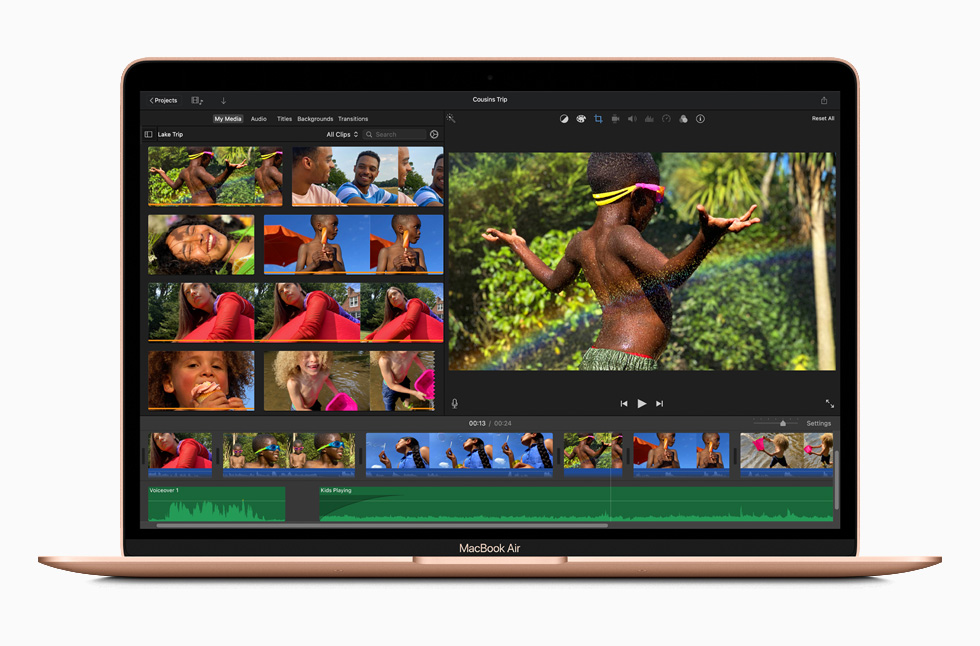
On 10/11/2020, Apple Inc. announced the first Mac computers powered by its custom designed M1 processor during a virtual event titled “One More Thing.” The launch marked the beginning of Apple’s transition from Intel processors to Apple silicon across the Mac lineup. The company introduced three models featuring the new chip: the 13 inch MacBook Air, the 13 inch MacBook Pro, and the Mac mini. Apple stated that the M1 integrated CPU, GPU, Neural Engine, unified memory architecture, and other components on a single system on chip designed specifically for macOS.
The new MacBook Air featured a fanless design and Apple said it could deliver up to 18 hours of battery life for video playback. The 13 inch MacBook Pro with M1 was introduced as a higher performance option, with Apple stating it offered up to 20 hours of battery life, described as the longest battery life ever in a Mac at the time of announcement. Apple also highlighted performance gains including faster application launches and improved efficiency compared with Intel based predecessors. Both laptops supported instant wake, iPhone and iPad app compatibility, and optimized macOS Big Sur features designed for Apple silicon.
Apple also announced an updated Mac mini powered by the M1 chip. The company said the new model delivered up to three times faster CPU performance and significantly improved graphics compared with the previous generation Intel based Mac mini. The desktop retained its compact form factor and included support for Thunderbolt and USB 4 connectivity. Apple confirmed that the three M1 based Macs were available for order immediately following the announcement, with availability beginning later in November 2020. The event marked the first step in Apple’s planned two year transition to Apple silicon across the Mac product line.
#mooflife
#MomentOfLife
#AppleM1
#MacbookAir
#MacbookPro
#MacMini
#AppleSilicon
Primary Reference
Apple M1

Explore the Life Moments of
 AI Twin