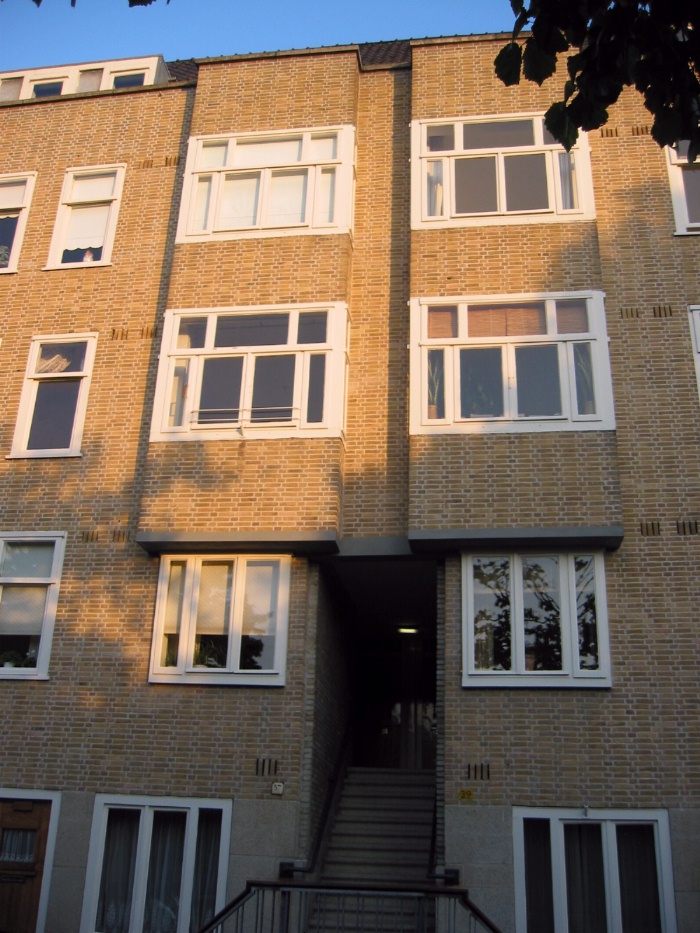
Restoration of the Merwedeplein Apartment
Germany
Historical Sites
Cultural Heritage
Literary Residences
4 min read
Updated By: History Editorial Network (HEN)
Published:
Updated:
The Merwedeplein apartment, where the Frank family resided from 1933 until 1942, has a significant historical background as the childhood home of Anne Frank. This apartment remained privately owned until the early 2000s, when it was featured in a television documentary that highlighted its deteriorating condition. Following this exposure, a Dutch housing corporation acquired the building, which was in a serious state of disrepair. The restoration process was guided by historical accuracy, utilizing photographs taken by the Frank family and descriptions from Anne's letters to recreate the apartment's appearance from the 1930s. Key figures in the restoration included Teresien da Silva from the Anne Frank House and Bernhard 'Buddy' Elias, a cousin of Anne Frank, who played vital roles in ensuring the project honored the family's legacy. The restoration aimed not only to preserve the physical space but also to serve as a reminder of the historical context in which the Frank family lived.
The restored Merwedeplein apartment now serves a dual purpose. It stands as a memorial to the Frank family and the broader narrative of the Holocaust, while also functioning as a residence for writers facing oppression in their own countries. Each year, a selected writer is granted a year-long tenancy in the apartment, providing them with a space to create freely. This initiative not only honors Anne Frank's legacy but also supports contemporary voices in literature, emphasizing the importance of freedom of expression. The apartment has become a site of reflection and inspiration, drawing visitors who seek to understand the historical significance of the Frank family's story and the ongoing struggles for freedom faced by writers around the world.
#mooflife
#MomentOfLife
#AnneFrank
#MerwedepleinApartment
#HolocaustMemorial
#CulturalHeritage
#WritersInResidence
Primary Reference
Anne Frank

Explore the Life Moments of
 AI Twin