Princes et Princesses
Entertainment
6 min read
Updated By: History Editorial Network (HEN)
Published:
Updated:
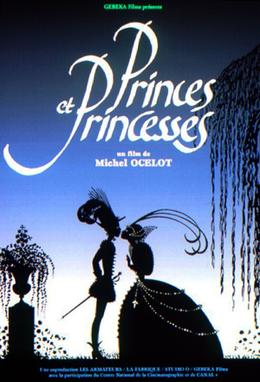
Princes et Princesses (2000) is a French animated anthology film written and directed by Michel Ocelot, known for his silhouette animation style and storytelling rooted in folklore and imagination. The film is composed of six short fairy tales, all performed in striking black silhouette animation against vividly colored backdrops. The tales—such as “The Princess of Diamonds,” “The Boy Who Never Lied,” and “The Old Lady’s Coat of Stars”—follow a young boy and girl who, each evening, enter a theatrical world of shadows and costumes where they perform fantastical stories involving princes, princesses, witches, and magical transformations.
The film is entirely minimalist in visual approach, animated using backlit cutout characters, reminiscent of shadow puppet theater. While this may seem simple at first glance, the animation is expressive, elegant, and steeped in charm. Ocelot’s signature storytelling style relies on visual rhythm, poetic narration, and moral insight. Each tale blends humor, mystery, and a touch of melancholy, and while the stories vary in tone, they all carry subtle lessons about courage, honesty, compassion, and imagination. The voice work and music are sparse but effective, enhancing the theatrical and dreamlike quality of the experience.
Though modest in scale, Princes et Princesses gained strong recognition in the international animation community. It was produced from episodes of Ocelot’s earlier TV series Ciné si (1989), and its transition into a feature film format allowed these fables to reach a broader audience. The film had a limited theatrical release outside France but became a critical favorite at animation festivals and among educators, animators, and fans of European indie animation.
At the box office, the film earned modest returns—under $500,000 globally—but this was in line with expectations for an experimental, dialogue-driven silhouette animation. The real success was in critical reception. The film holds a 100% rating on Rotten Tomatoes (though based on a small number of reviews) and is praised for its artistic purity, narrative inventiveness, and timeless storytelling. Critics and scholars noted its value as both a work of art and an educational tool, often referencing it in discussions about alternative animation methods and the role of folklore in modern media.
Princes et Princesses won Best Feature Film at the Annecy International Animation Film Festival, and its success paved the way for Michel Ocelot’s later, more widely known films like Kirikou and the Sorceress and Azur & Asmar. Its legacy lies in proving that powerful animation doesn’t require high budgets or 3D graphics—just imagination, craft, and sincerity. It remains a cult favorite in arthouse and academic circles, a beautiful reminder of how storytelling can thrive in simplicity.
Primary Reference
Princes and Princess

Explore the Life Moments of
 AI Twin