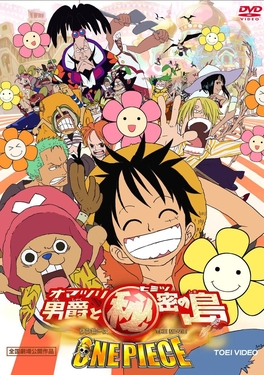
One Piece: Baron Omatsuri and the Secret Island
Entertainment
5 min read
Updated By: History Editorial Network (HEN)
Published:
One Piece: Baron Omatsuri and the Secret Island (2005) is the sixth feature film in the One Piece franchise, directed by Mamoru Hosoda and produced by Toei Animation. The Straw Hat Pirates accept an invitation to a seemingly magical island resort run by the enigmatic Baron Omatsuri. What begins as a chance to relax quickly becomes a harrowing ordeal when the crew must take part in deadly "Trials of Hell." As friendships fracture under pressure, Luffy uncovers the island’s sinister secret: the resort—and its owner—are concealing a horrific power tied to a carnivorous flower that feeds on memories and emotions.
Visually, the film takes a sharp detour from the series’ usual bright, cartoonish style. Hosoda’s distinctive direction brings a darker, more atmospheric aesthetic, with heavy shadows, muted colors, and stark animation choices that amplify the film’s psychological tension. The result is unsettlingly beautiful, combining horror elements with adventure-troupe dynamics to create a genuinely eerie and memorable experience.
On a moderate budget typical for anime theatrical releases, the film grossed approximately US $10.5 million worldwide, enjoying a six-week run in Japan’s top ten box office charts after debuting at number three. While not a blockbuster, it performed solidly within the expectations for franchise spin-offs and niche theatrical anime releases
YouTube+3Wikipedia+3Tumblr+3
.
Critics and fans recognize the film as one of the darkest and most artistically ambitious in the One Piece lineup. Its tone and visual direction garnered praise on platforms like Anime News Network and Reddit, where viewers called it “a definite change of pace” and “worth watching,” especially for those interested in emotional depth and stylistic experimentation
Reddit
.
Although it didn’t receive major awards, its impact lies in creative influence. Directed early in Hosoda's career—before he founded Studio Chizu—the film foreshadows his later successes (The Girl Who Leapt Through Time, Summer Wars, Wolf Children) with its maturity, thematic complexity, and visual innovation. Today, Baron Omatsuri is often referenced as a standout among franchise entries: a rare anime tie-in that opted for artistic risk over formulaic fun.
Primary Reference
One piece: Omatsuri danshaku to himitsu no shima (7) (2005)

Explore the Life Moments of
 AI Twin