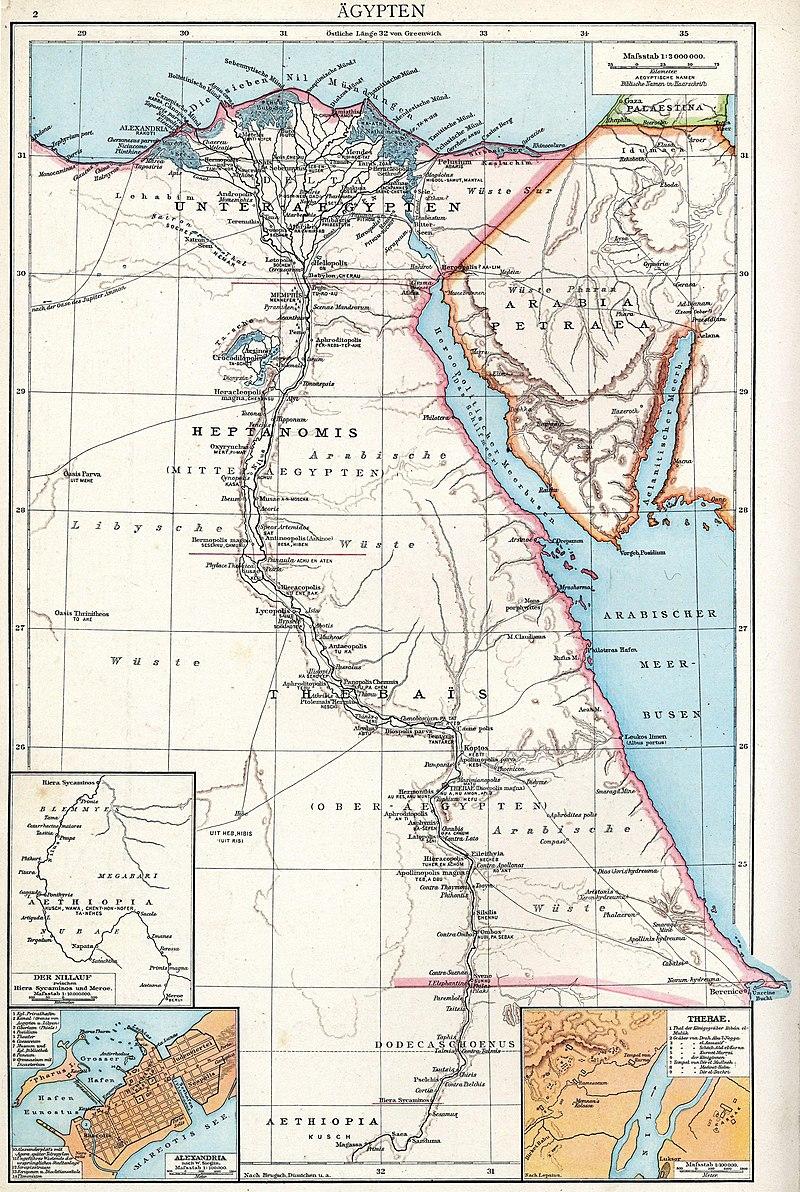
Ptolemaic Kingdom's Invasion of Nubia
Egypt
Ancient Civilizations
Ptolemaic Kingdom
4 min read
Updated By: History Editorial Network (HEN)
Published:
Updated:
The Ptolemaic Kingdom, established in Egypt following the conquests of Alexander the Great, sought to expand its influence and control over neighboring regions. Under the rule of Ptolemy II Philadelphus, the kingdom launched a military campaign into Nubia, a region located to the south of Egypt. This invasion aimed to secure resources and trade routes, as Nubia was known for its rich deposits of gold and other valuable materials. The Ptolemaic forces successfully annexed a section of Nubia, specifically the northern twelve miles, which became known as the Dodekaschoinos, or 'twelve-mile land.' This annexation not only extended the territorial reach of the Ptolemaic Kingdom but also facilitated greater control over the trade networks that connected Egypt with sub-Saharan Africa.
The impact of this invasion was multifaceted. It allowed the Ptolemaic Kingdom to enhance its economic power through access to Nubian resources. The annexation also had cultural implications, as it led to increased interactions between the Greek and Nubian populations. The Ptolemaic administration implemented policies to integrate the newly acquired territory, which included establishing military outposts and promoting Hellenistic culture. This period marked a significant shift in the dynamics of power in the region, as the Ptolemaic Kingdom solidified its presence in Nubia, influencing local governance and trade practices. The Dodekaschoinos became a critical area for the Ptolemies, serving as a buffer zone against potential threats from the south and a vital link in their broader imperial strategy.
#mooflife
#MomentOfLife
#PtolemaicKingdom
#Nubia
#PtolemyIiPhiladelphus
#Dodekaschoinos
#AncientEgypt
Primary Reference
Ptolemaic Kingdom

Explore the Life Moments of
 AI Twin