Hyksos and Nubian Rule in Ancient Egypt
Egypt
Ancient Civilizations
Egyptology
4 min read
Updated By: History Editorial Network (HEN)
Published:
Updated:
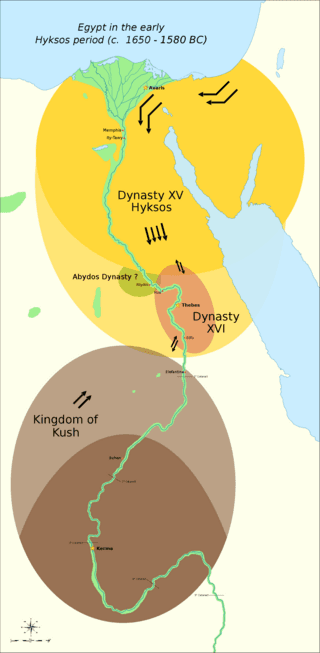
The Hyksos were a group of mixed Semitic-Asiatic peoples who settled in the eastern Nile Delta and eventually took control of Egypt, marking the Second Intermediate Period. Their rule introduced new technologies, including the horse-drawn chariot and advanced weaponry, which significantly influenced Egyptian military tactics. The Hyksos established their capital at Avaris and ruled for several generations until they were expelled by the Theban 17th Dynasty. This expulsion marked a turning point for Egypt, as the Theban rulers sought to reclaim lost territories and expand their influence, particularly towards Nubia, a region rich in resources and strategically important for trade and military campaigns. The conquest of Nubia was a critical objective for the New Kingdom, as it allowed Egypt to secure vital resources, including gold and incense, which were essential for both economic prosperity and religious practices.
Following the expulsion of the Hyksos, the Egyptian empire turned its focus to Nubia, culminating in the annexation of Lower Nubia by the end of Thutmose I's reign. The Egyptian military campaigns extended into Upper Nubia, leading to the conquest of the Kingdom of Kerma. This expansion not only solidified Egypt's control over the region but also established new administrative centers, such as Napata, which became significant for gold and incense production. The control over Nubia allowed Egypt to become a primary source of gold in the Middle East, enhancing its wealth and power. The integration of Nubia into the Egyptian empire facilitated cultural exchanges and the spread of Egyptian influence, which had lasting impacts on the region's development and its relationship with Egypt.
#mooflife
#MomentOfLife
#Hyksos
#NubianRule
#AncientEgypt
#EgyptianEmpire
#ThutmoseI
Primary Reference
Second Intermediate Period of Egypt

Explore the Life Moments of
 AI Twin