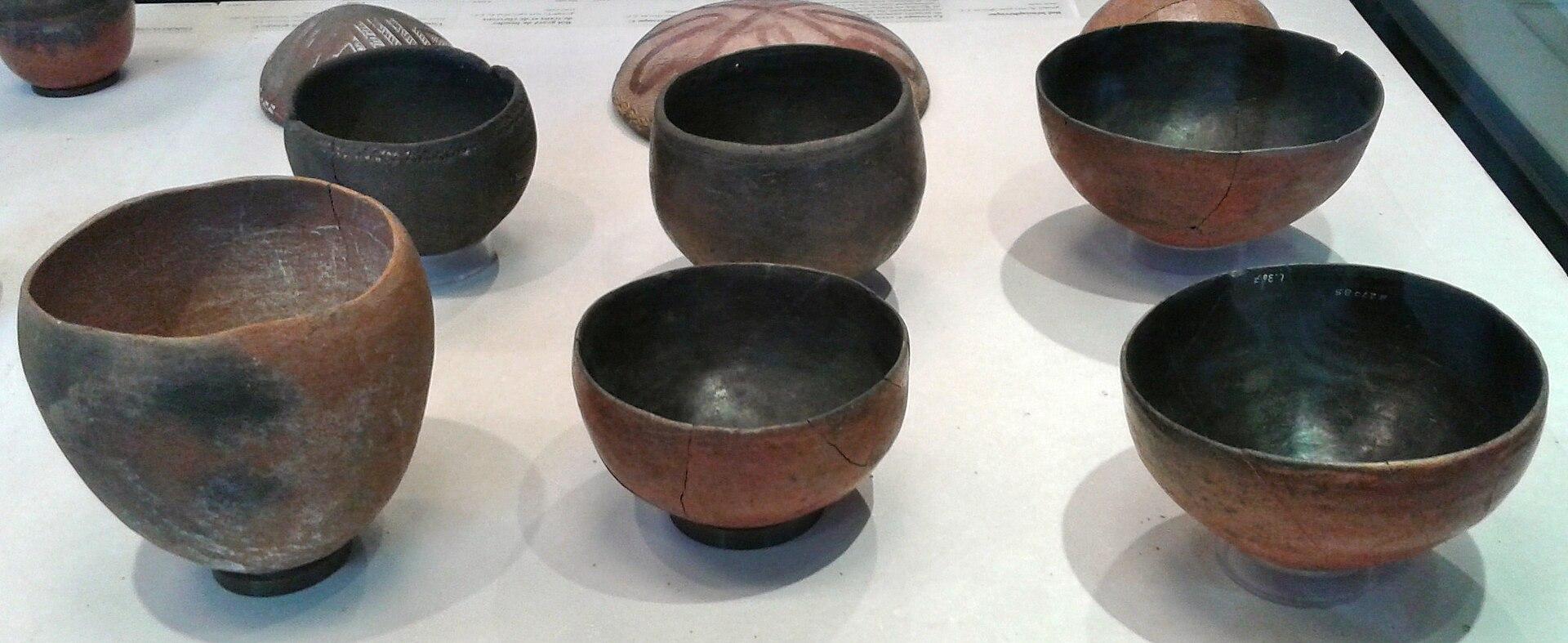
Nubian Pottery Development in Ancient Times
Egypt
Archaeology
Art
3 min read
Updated By: History Editorial Network (HEN)
Published:
Updated:
The development of Nubian pottery can be traced back to a period when the A-Group population began to create distinctive black-topped, red pottery. This pottery style emerged during a time when there was significant interaction between Nubians and Egyptians, evidenced by the large amounts of Egyptian commodities found in A-Group graves. These graves contained various items such as gold objects, copper tools, faience amulets, incense burners, beads, seals, slate palettes, stone vessels, and a variety of pots. The presence of these imports indicates a robust trade network and cultural exchange between the two regions. The A-Group population, which is noted for its physical similarities to predynastic Egyptians, played a crucial role in the evolution of pottery styles in Nubia. The black-topped, red pottery not only served practical purposes but also reflected the artistic and cultural identity of the Nubians, showcasing their craftsmanship and aesthetic preferences. This pottery style became a hallmark of Nubian culture and laid the foundation for future developments in pottery techniques and designs in the region. The significance of this pottery extends beyond mere utility; it represents a blend of local traditions and external influences, highlighting the interconnectedness of ancient civilizations in Northeast Africa.
#mooflife
#MomentOfLife
#NubianPottery
#AncientNubia
#A-groupCulture
#PotteryDevelopment
#CulturalExchange
Primary Reference
Nubia

Explore the Life Moments of
 AI Twin