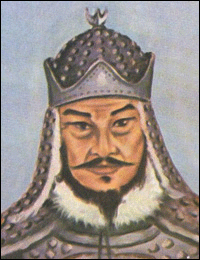
Death of Yŏn Kaesomun and Goguryeo's Fate
Goguryeo Kingdom (Korean Peninsula, including Pyongyang)
Goguryeo
Korean History
3 min read
Updated By: History Editorial Network (HEN)
Published:
Updated:
The death of Yeon Gaesomun in 666 CE marked a critical internal turning point for the Goguryeo kingdom, which had long resisted external pressures from the Tang Dynasty. As the Dae Mangniji (Generalissimo), Yeon had effectively ruled as the dominant military authority since his coup in 642, maintaining centralized control and organizing strong defenses against repeated invasions.
Yeon Gaesomun died of natural causes in 666 CE, leaving behind a significant power vacuum. During his leadership, he had successfully repelled large-scale Tang military campaigns, including major invasions in the mid-7th century. His authority had also kept Goguryeo’s internal factions in check, preventing divisions among the ruling elite.
Following his death, conflicts emerged among his sons over succession, weakening the unity of the state. This internal instability disrupted military coordination and reduced Goguryeo’s ability to respond effectively to external threats. At the same time, the Tang Dynasty and its ally Silla intensified their military campaigns, taking advantage of the weakened political structure.
Within two years of Yeon Gaesomun’s death, the allied forces advanced into Goguryeo territory and captured the capital, Pyongyang, on 22/10/668. This event brought an end to Goguryeo after several centuries of rule, demonstrating how internal divisions combined with external pressure led to its collapse.
#mooflife
#MomentOfLife
#YŏnKaesomun
#Goguryeo
#KoreanHistory
#TangDynasty
#Silla
Primary Reference
Yŏn Kaesomun

Explore the Life Moments of
 AI Twin