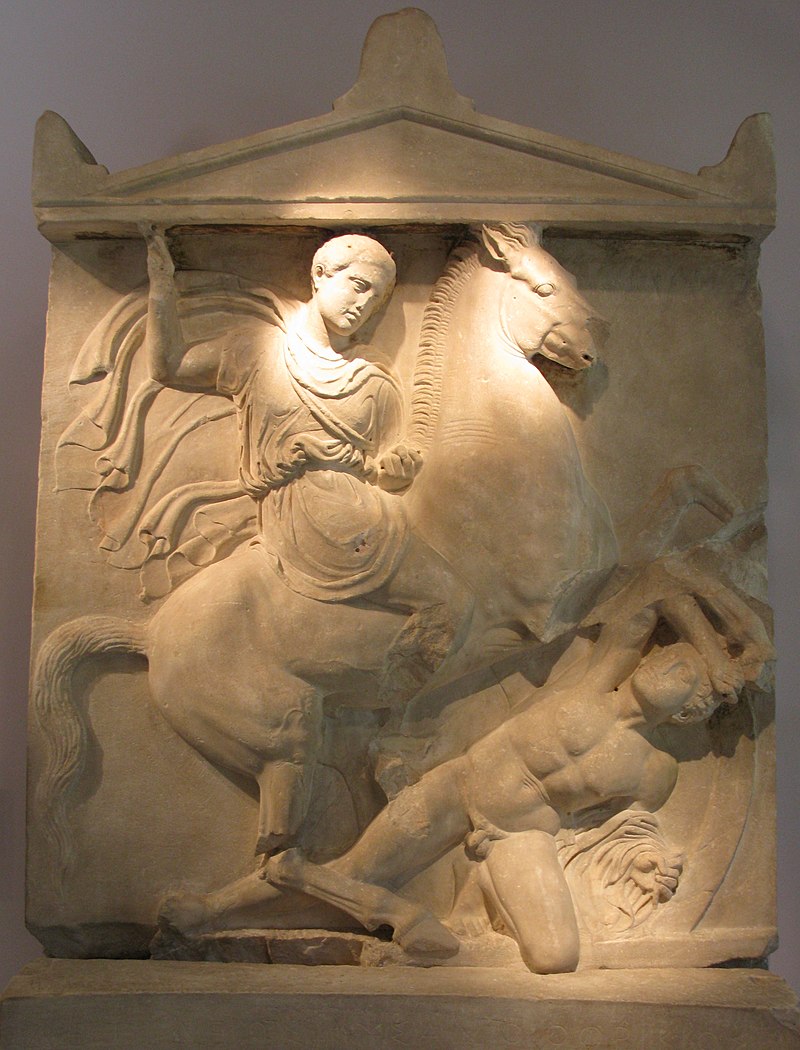
Start of the Corinthian War
Greece
Ancient History
Greek Wars
Classical Civilizations
4 min read
Updated By: History Editorial Network (HEN)
Published:
Updated:
The Corinthian War emerged as a conflict primarily involving the city-states of Corinth, Thebes, Athens, and Argos against Sparta. This war was a direct consequence of the power dynamics established after the Peloponnesian War, which had resulted in Spartan dominance over Greece. Following the Peloponnesian War, Lysander, a Spartan general, imposed oligarchic governments on former allies of Athens, including the notorious Thirty Tyrants in Athens. This created widespread discontent and unrest among the Greek city-states, leading to a coalition against Sparta. The Corinthian War was marked by a series of battles and shifting alliances, with the primary goal of curtailing Spartan influence and restoring autonomy to the affected city-states. The conflict saw significant military engagements, including the Battle of Nemea and the Battle of Cnidus, where the Persian Empire provided support to the anti-Spartan coalition, further complicating the geopolitical landscape of the region.
Despite the war concluding without a clear victor, it had lasting implications for the balance of power in Greece. The inconclusive end of the Corinthian War allowed Athens to regain its independence from Spartan control, which had been a critical objective for the city-state. The war also highlighted the fragility of alliances and the shifting nature of power among the Greek city-states. The aftermath of the conflict saw the weakening of Spartan hegemony and the rise of Thebes as a significant power in the region. The Corinthian War thus played a crucial role in reshaping the political landscape of ancient Greece, setting the stage for future conflicts and the eventual rise of Macedonian power.
#mooflife
#MomentOfLife
#CorinthianWar
#AncientGreece
#Sparta
#Athens
#PeloponnesianWar
Primary Reference
https://en.wikipedia.org/wiki/Corinthian_War

Explore the Life Moments of
 AI Twin