Alexander the Great Becomes King
Greece
Ancient Civilizations
Military Leadership
3 min read
Updated By: History Editorial Network (HEN)
Published:
Updated:
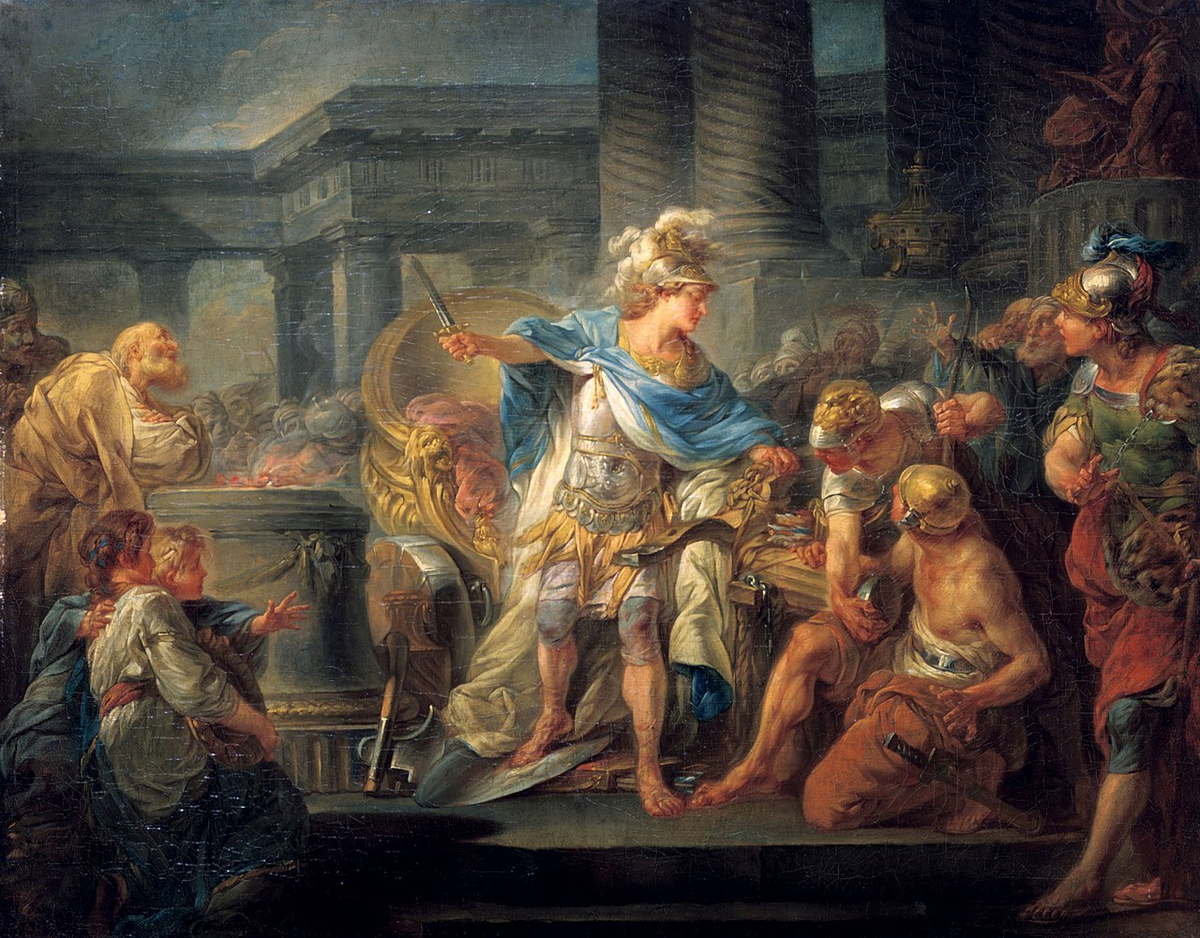
Alexander the Great ascended to the throne of Macedon following the assassination of his father, King Philip II. This transition marked the beginning of a new era in the region, as Alexander inherited a powerful kingdom and a well-trained army. His early reign was characterized by the consolidation of power and the suppression of potential rivals. Alexander's leadership style was influenced by both Macedonian and Near Eastern traditions, which shaped his approach to kingship. He aimed to unify the Greek city-states and expand his influence beyond the borders of Macedon. Under his command, the Macedonian army achieved significant military victories, which laid the groundwork for the establishment of one of the largest empires in history. Alexander's campaigns extended through Asia Minor, Egypt, and into Persia, demonstrating his strategic prowess and ambition. His conquests not only expanded his territory but also facilitated the spread of Hellenistic culture across the regions he conquered. This cultural diffusion had lasting impacts on art, science, and philosophy, influencing subsequent civilizations. The period following his reign saw the emergence of Hellenistic kingdoms, led by his former generals, who adopted and adapted the traditions of kingship that Alexander had established. The legacy of Alexander's rule continues to be studied for its profound effects on the ancient world and its contributions to the development of Western civilization.
#mooflife
#MomentOfLife
#AlexanderTheGreat
#Macedon
#HellenisticPeriod
#AncientHistory
#MilitaryConquests
Primary Reference
https://en.wikipedia.org/wiki/Alexander_the_Great

Explore the Life Moments of
 AI Twin