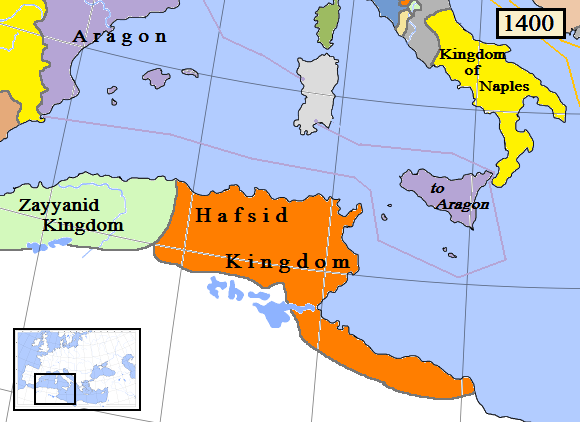
Establishment of Hafsid Dynasty in Ifriqiya; dynastic rule over Tunisia and eastern regions.
Algeria

Cultural Exchange
3 min read
Updated By: History Editorial Network (HEN)
Published:
Emerging in the midst of the 13th-century Maghreb region, the Hafsid Dynasty ascended to power in Ifriqiya, encompassing modern-day Tunisia and eastern Algeria. Following the decline of the Almohad Caliphate, the Hafsids established a strong political presence, with their capital in Tunis, becoming pivotal in shaping the socio-political landscape of the region.
The rise of the Hafsid Dynasty brought a period of stability and prosperity to Ifriqiya, fostering trade and cultural exchange across the Mediterranean. Under Hafsid rule, the region witnessed a flourishing of art, architecture, and scholarship, attracting scholars and intellectuals from far and wide.
The Hafsids were also known for their tolerance towards religious minorities, fostering a diverse and inclusive society where Muslims, Christians, and Jews coexisted harmoniously. This inclusive approach contributed to the economic and cultural advancement of Ifriqiya, solidifying the dynasty's legacy in North African history.
The establishment of the Hafsid Dynasty marked a significant chapter in the history of Algeria and Tunisia, shaping the region's identity and influencing its development for centuries to come. #HafsidDynasty #Ifriqiya #NorthAfrica #Tunisia #Algeria #CulturalExchange

Explore the Life Moments of
 AI Twin