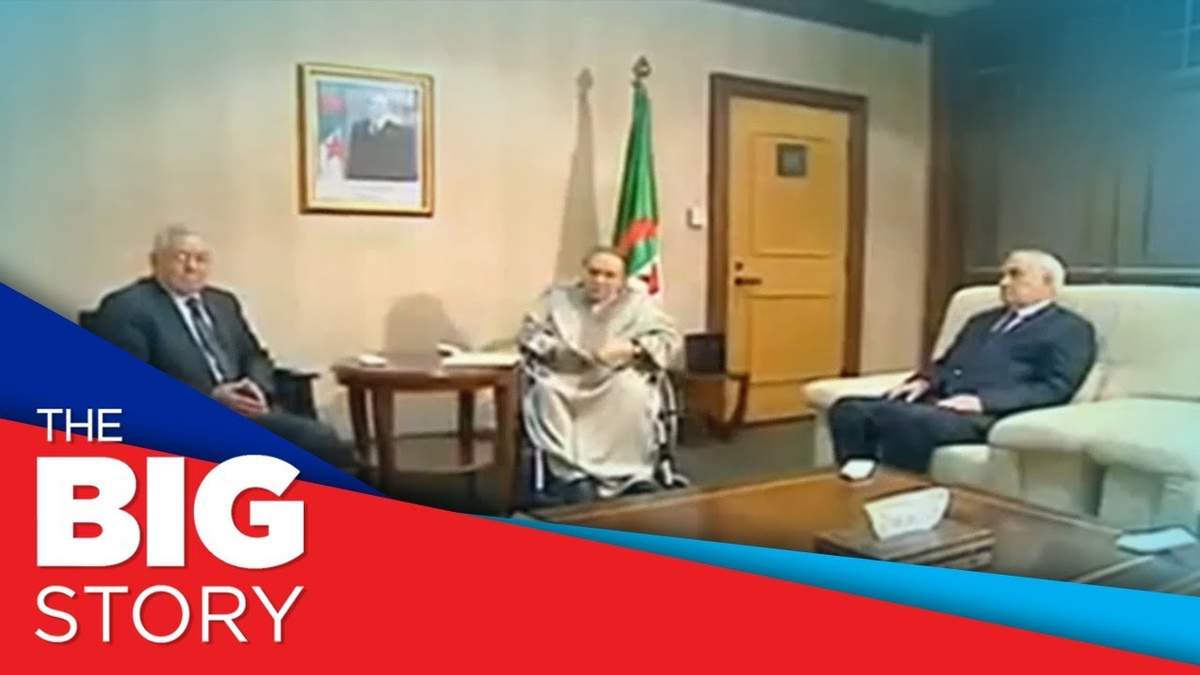
Abdelmadjid Tebboune becomes President after Bouteflika's resignation amid widespread demonstrations.
Algeria

Political
Civil Society
3 min read
Updated By: History Editorial Network (HEN)
Published:
Updated:
Following mass protests demanding political reform, longtime President Abdelaziz Bouteflika stepped down after 20 years in office. The resignation led to a power vacuum, stirring uncertainty in Algeria. Abdelmadjid Tebboune, former Prime Minister and loyalist to Bouteflika, was elected as the new President amidst skepticism from protesters who deemed him a part of the old regime.
Tebboune's inauguration marked a pivotal moment in Algeria's political landscape. While some hoped for real change under his leadership, others remained wary of his ties to Bouteflika. His promises to prioritize the economy, fight corruption, and engage in political dialogue were met with mixed reactions. The appointment of a technocratic government was seen as a step towards addressing the people's demands for transparency and accountability.
The event underscored the determination of Algerians to assert their voices and demand governmental accountability. It reflected a reinvigorated civil society willing to challenge entrenched power structures. Tebboune's presidency signified a crossroads for Algeria, where citizens sought a new path forward while navigating the complexities of a post-Bouteflika era.
#Algeria #PoliticalReform #CivilSociety #Accountability

Explore the Life Moments of
 AI Twin