Louis de Broglie's Matter Wave Theory and Einstein's Support: Pioneering Quantum Mechanics
German
Science
Technology
5 min read
Updated By: History Editorial Network (HEN)
Published:
Updated:
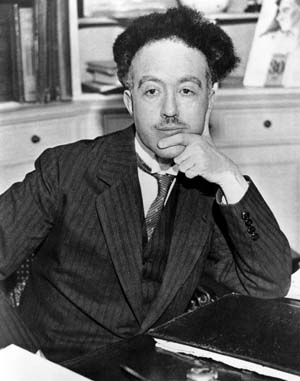
Amid the early 20th-century quest to understand atomic and subatomic phenomena, Louis de Broglie proposed the groundbreaking idea that particles, such as electrons, exhibit wave-like properties. This hypothesis, suggesting the wave-particle duality of matter, laid the groundwork for modern quantum mechanics. The scientific community initially met de Broglie's theory with skepticism, as it challenged classical physics' long-held principles.
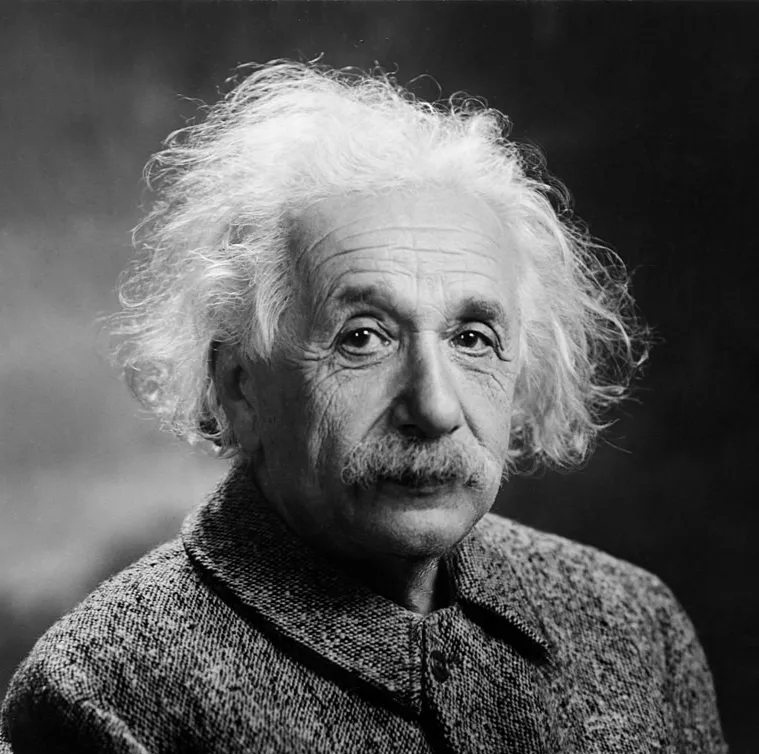
Albert Einstein, renowned for his contributions to the photoelectric effect and relativity, played a pivotal role in supporting de Broglie's matter wave theory. Recognizing the theoretical consistency and potential implications, Einstein's endorsement lent significant credibility to de Broglie's propositions. He communicated his support through key discussions and correspondences, thereby facilitating wider acceptance and further exploration of the theory.
This endorsement catalyzed further theoretical advancements, particularly influencing the work of Austrian physicist Erwin Schrödinger. Inspired by de Broglie's concept, Schrödinger developed a wave equation to describe how the quantum state of a physical system changes over time. This equation, now fundamental to quantum mechanics, mathematically represented the behavior of particles as waves.
The implications of these developments extended far beyond theoretical physics. The wave mechanics framework established by Schrödinger and built upon de Broglie's ideas provided the tools necessary for advances in various fields, including chemistry, material science, and electronics. Researchers could now better understand atomic structures, chemical reactions, and the behavior of semiconductors, leading to technological innovations that have shaped modern life.
Albert Einstein's role in endorsing the matter wave theory exemplifies the collaborative and cumulative nature of scientific progress. By recognizing and supporting novel ideas, even those that challenge established paradigms, the scientific community can achieve breakthroughs with far-reaching impacts.
#MoofLife #QuantumMechanics #ScienceHistory #Einstein #ScientificProgress
Explore the Life Moments of
 AI Twin