Einstein's Visit to Spain: A Catalyst for Scientific Collaboration.
German
Science
Political
4 min read
Updated By: History Editorial Network (HEN)
Published:
Updated:
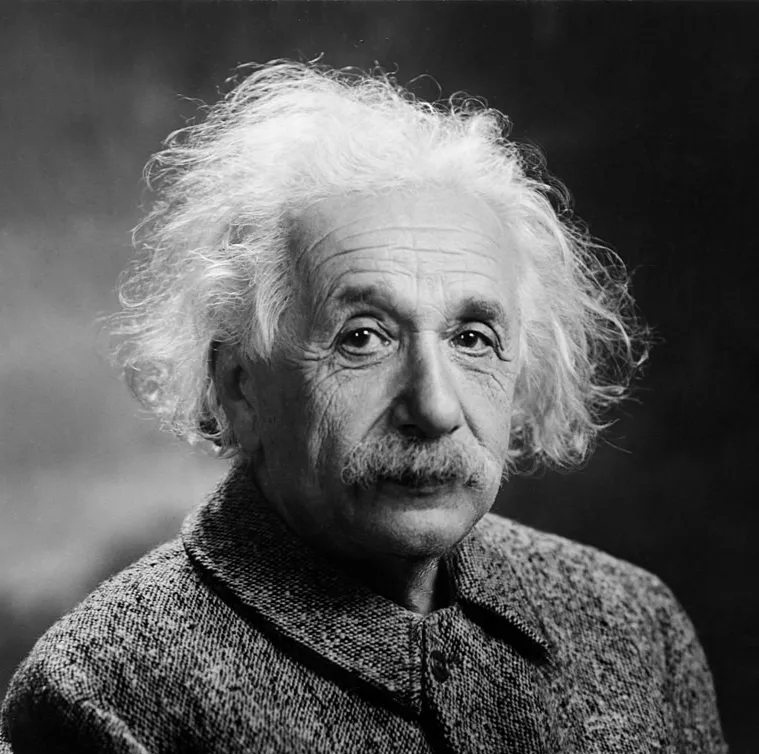
Albert Einstein's visit to Spain marked a pivotal moment in the interaction between science and government. During his stay, Einstein was received by King Alfonso XIII and was awarded membership in the Spanish Academy of Sciences. This event underscored the significance of international collaboration in scientific endeavors.
Einstein's theories, particularly the theory of relativity, had already begun to influence scientific thought globally. His visit to Spain catalyzed further academic discourse in the country and emphasized the importance of scientific research and education at a national level. It also highlighted Spain's interest in integrating with the broader scientific community.
The exchange between King Alfonso XIII and Einstein was a testament to the Spanish monarchy's recognition of the value of scientific progress. By honoring Einstein, King Alfonso XIII demonstrated support for intellectual achievement and the promotion of scientific knowledge. This recognition was not just symbolic but aimed at encouraging a culture of scientific inquiry and innovation within Spain.
The visit was well-documented and received considerable attention from both the public and the media. It served as a bridge between Spain's scientific institutions and one of the leading scientific minds of that era. The membership in the Spanish Academy of Sciences was more than an honorary title; it was a gesture towards fostering greater academic connection and collaboration between Spain and the international scientific community.
In essence, Einstein's visit and the honor bestowed upon him were instrumental in positioning Spain more prominently on the scientific map of the world, encouraging scientific dialogue and exploration.
#AlbertEinstein #ScienceAndMonarchy #Spain #ScientificCollaboration #GlobalScience #MoofLife
Explore the Life Moments of
 AI Twin