Einstein's Shift: Revolutionizing Cosmology with Abandonment of Cosmological Constant
German
Science
Technology
4 min read
Updated By: History Editorial Network (HEN)
Published:
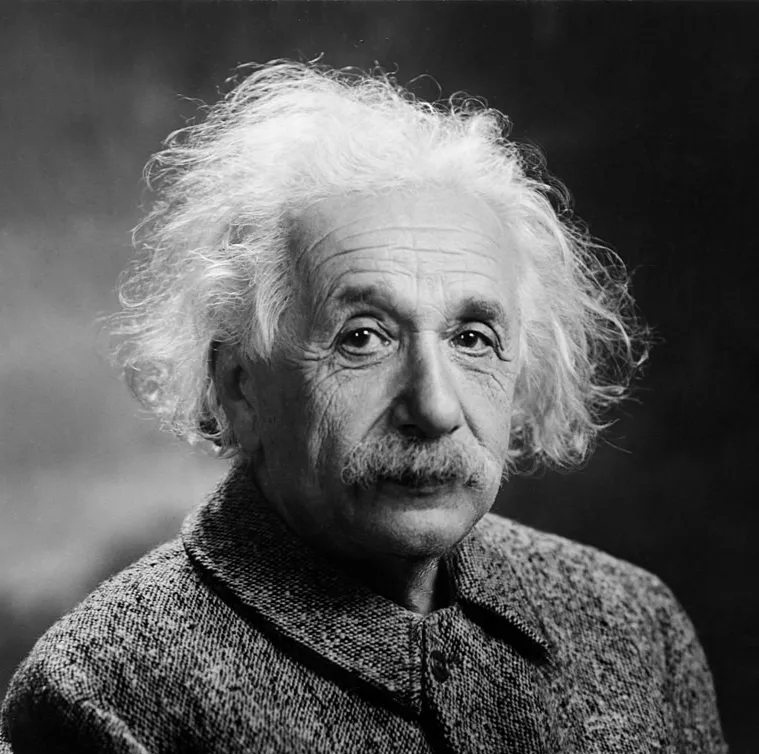
Albert Einstein, known for his groundbreaking theories in physics, proposed a revised model of the universe that year. Initially, Einstein had introduced the cosmological constant in his equations of General Relativity to maintain a static universe, avoiding the concept of an expanding or contracting cosmos. This was due to the prevailing belief at the time that the universe was unchanging.
However, upon learning about Alexander Friedmann's earlier solutions to the Einstein field equations and Edwin Hubble's observations indicating that the universe was expanding, Einstein revisited his original stance. Friedmann had proposed models of an expanding universe based on General Relativity without the need for a cosmological constant. Influenced by these developments, Einstein abandoned the cosmological constant, which he once considered necessary but would later refer to as his “biggest blunder.”
The significance of this decision was profound. The Friedmann-Einstein model laid the groundwork for what would evolve into the Big Bang theory, fundamentally altering our understanding of the universe's origins and dynamics. Einstein's shift in perspective underscored the evolving nature of scientific theories in light of new evidence and allowed for a model of the cosmos that expanded continuously, eventually leading to the acceptance of an expanding universe.
This change had lasting impacts on cosmology and theoretical physics. It paved the way for further developments by other scientists and established the importance of observation in shaping theoretical frameworks. Einstein’s work, influenced by Hubble and Friedmann, played a key role in the transition from a static to a dynamic understanding of the universe.
#AlbertEinstein #Cosmology #GeneralRelativity #ExpandingUniverse #ScientificDiscovery #Astrophysics #BigBang #MoofLife
Explore the Life Moments of
 AI Twin