Einstein's Prestigious Membership in American Philosophical Society
German
Science
Academic
4 min read
Updated By: History Editorial Network (HEN)
Published:
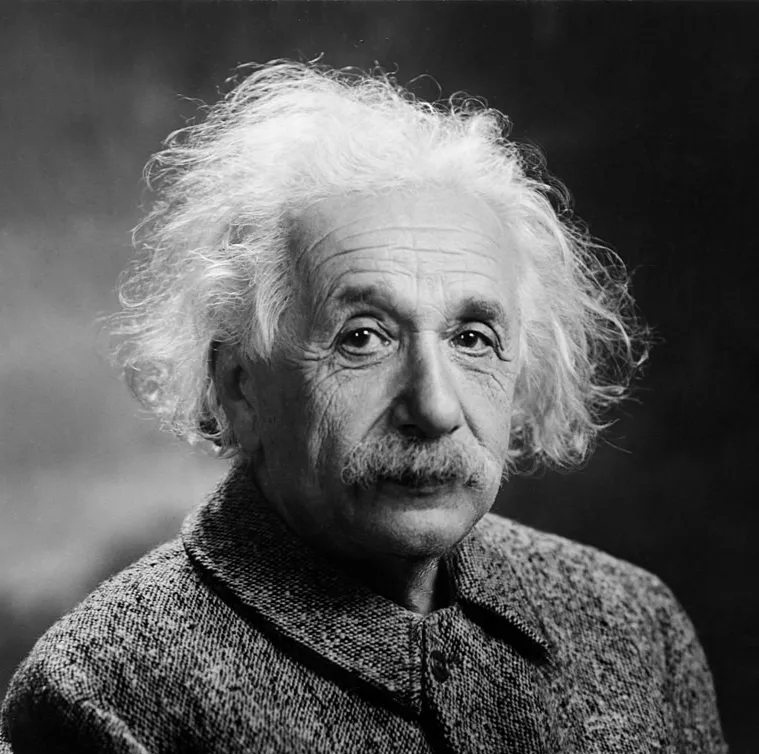
Albert Einstein, esteemed for his contributions to theoretical physics, was invited to join the American Philosophical Society as an International Member. Such recognition by this institution underscored Einstein's burgeoning influence beyond scientific circles. The American Philosophical Society, founded in 1743, is America's oldest scholarly organization. It has played a pivotal role in recognizing and fostering intellectual growth across diverse disciplines.
Einstein's membership highlighted his contributions to the academic community, particularly his work on the theory of relativity and the quantum theory of light. By this time, Einstein had already established himself as a leading figure in physics. This membership was significant for both Einstein and the Society, as it aligned him with a prestigious group of intellectuals, including notable previous members such as Benjamin Franklin and Thomas Jefferson.
The election of Einstein was not only a testament to his scientific achievements but also represented the increasing acceptance and collaboration of international scholars within American academic circles. This opened up further opportunities for cross-border intellectual exchange and highlighted the global nature of scientific progress.
Recognizing Einstein in this capacity contributed positively to the prestige of the American Philosophical Society, reinforcing its commitment to inclusivity and excellence in thought leadership. This moment in Einstein's career exemplifies the interconnectedness of the global academic community, fostering a spirit of collaboration that transcends geographic and disciplinary boundaries.
#AlbertEinstein #Physics #AmericanPhilosophicalSociety #IntellectualHistory #AcademicRecognition #ScientificCollaboration #MoofLife
Explore the Life Moments of
 AI Twin