Einstein's Mass-Energy Equivalence Theory: Transformative Impact on Physics and World History
German
Science
4 min read
Updated By: History Editorial Network (HEN)
Published:
Updated:
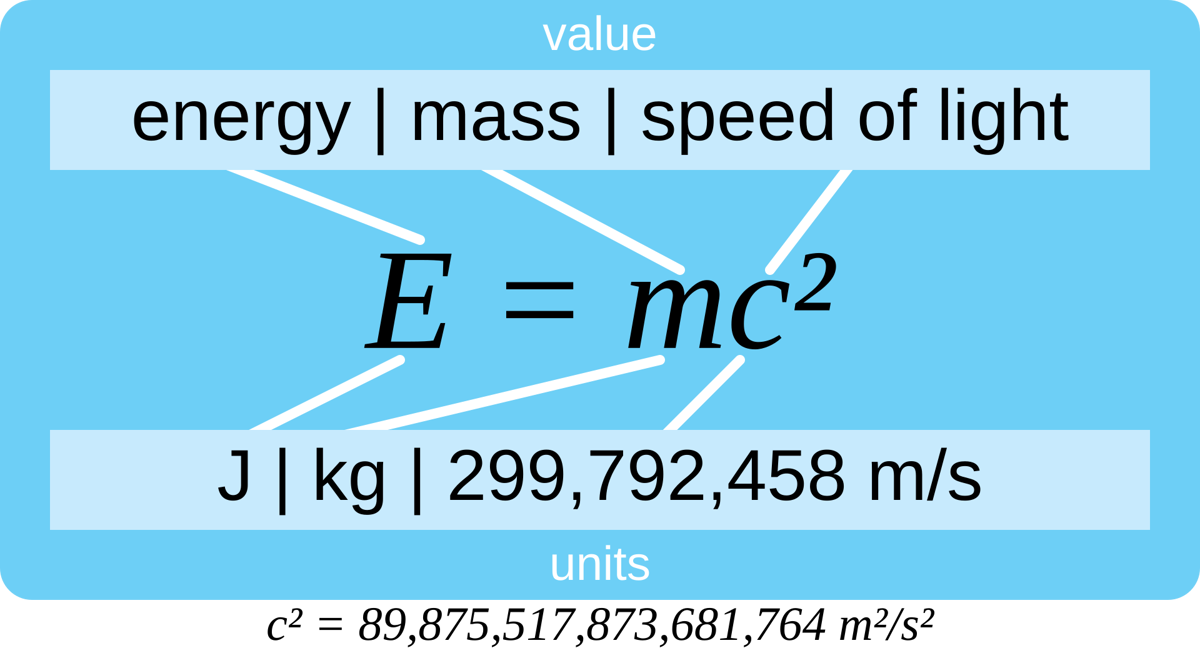
Albert Einstein published a paper titled "Ist die Trägheit eines Körpers von seinem Energieinhalt abhängig?" which translates to "Does the Inertia of a Body Depend Upon Its Energy Content?". The publication introduced the equation E=mc², establishing the relationship between mass (m) and energy (E) with 'c' representing the speed of light. This work built upon Einstein's earlier papers on special relativity released the same year, furthering the understanding of how energy and mass are interrelated.
Einstein's findings in this paper proposed that mass could be converted into energy and vice versa, a groundbreaking revelation in physics. The equation suggested that even a small amount of mass could be converted into a tremendous amount of energy, fundamentally altering the scientific community's comprehension of mass and energy conservation principles.
The impact of this publication was profound, influencing both theoretical physics and practical applications. It laid the conceptual foundation for the development of nuclear energy and had significant implications in the fields of cosmology and particle physics. The energy-mass equivalence concept also played a crucial role in the development of the atomic bomb during the Second World War.
Einstein's work reshaped modern scientific thought, cementing his legacy as one of the pivotal figures in the history of science. His contributions during this prolific period, often referred to as his "Annus Mirabilis" or "Miracle Year," demonstrated a remarkable leap in understanding fundamental physical laws.
#Eequalsmc2 #PhysicsRevolution #AlbertEinstein #EnergyMassEquivalence #ScientificDiscovery #MoofLife
Explore the Life Moments of
 AI Twin