Einstein's Letter in NYT: Addressing Global Issues with Impactful Insights and Calls to Action.
German
Political
Social
4 min read
Updated By: History Editorial Network (HEN)
Published:
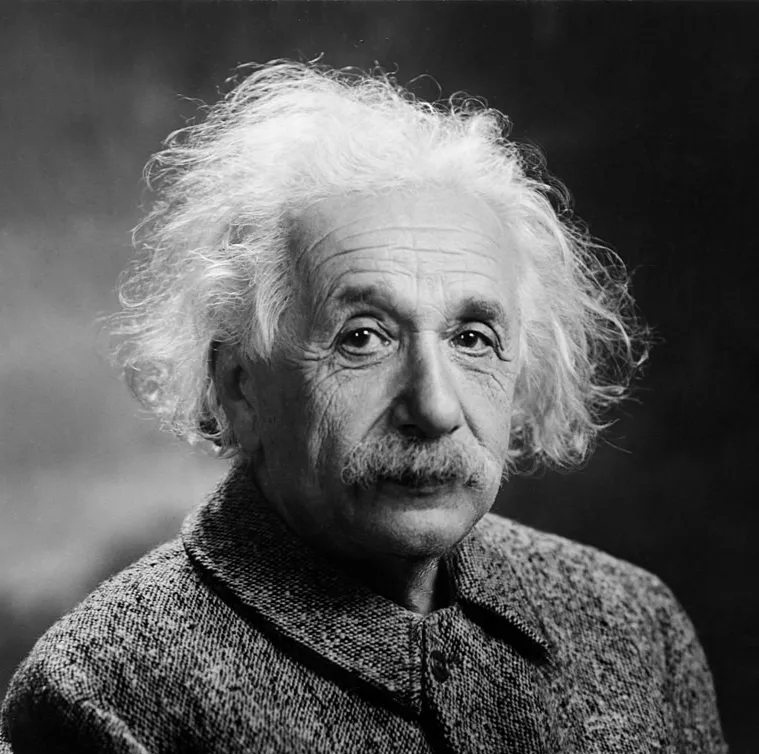
Albert Einstein took a significant step in addressing political and social issues by publishing a letter in The New York Times. This moment occurred during a complex period marked by post-World War II recovery and the early stages of the Cold War. The letter tackled urgent matters that were influencing global dynamics, such as racial discrimination, political repression, and the responsibilities of intellectuals in shaping public discourse.
Einstein’s words were pivotal in shedding light on critical social and political challenges. As a prominent physicist and public figure, his opinions carried considerable weight. The act of publishing this letter in such a widely read and respected publication ensured the message would reach an extensive audience. His concerns reflected larger global anxieties about justice, equity, and the moral obligations of nations and individuals.
The impact of Einstein's letter was both immediate and far-reaching. It provided a scholarly yet accessible critique of ongoing issues, igniting discussions across various demographics. For intellectuals and policymakers, the letter served as a call to action. For the general public, it was an invitation to engage in deeper thinking about societal structures and their improvement.
Einstein’s ability to distill complex ideas into actionable insights made the letter a powerful vehicle for change. His reputation lent credibility to the issues he addressed, urging readers to consider their roles in advocating for a fairer and more just society. The publication also highlighted the importance of the press as a forum for discussing significant societal issues, reinforcing the role of media in fostering informed civic participation.
#MoofLife #AlbertEinstein #SocialJustice #PoliticalReform #PublicDiscourse
Explore the Life Moments of
 AI Twin