Einstein Urges Atomic Research to Roosevelt: Significance in WWII Science and Politics
German
Science
Political
3 min read
Updated By: History Editorial Network (HEN)
Published:
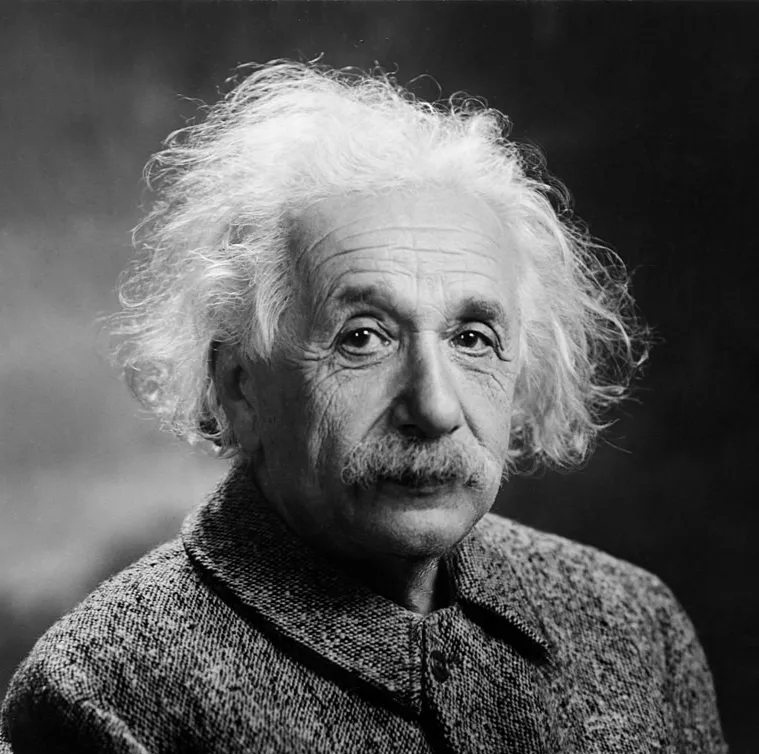
Albert Einstein, along with fellow physicist Leo Szilard, addressed a crucial letter to President Franklin D. Roosevelt. They urged the U.S. government to invest in the research and development of atomic weapons, given the potential threat posed by Nazi Germany's parallel efforts. This correspondence stemmed from the discovery of nuclear fission by German scientists Otto Hahn and Fritz Strassmann, and the subsequent realization of its destructive power—a realization furthered by the collaborative work of Lise Meitner and Otto Frisch.
Einstein and Szilard's concern hinged on the geopolitical climate preceding World War II, which saw European nations in an arms race for technological superiority. By advising the U.S. to speed up their atomic research, they intended to preempt any potential nuclear advantage by the Axis powers. Einstein's tipping influence resulted in Roosevelt's establishment of an advisory committee, leading to the later development of the Manhattan Project.
This effort, encompassing significant scientific and military resources, eventually led to the creation of the first atomic bombs. The implications of this initiative were vast and far-reaching, altering the course of history with the bombings of Hiroshima and Nagasaki. The correspondence is a pivotal example of scientific responsibility and the interplay between science and global politics.
#MoofLife #Einstein #AtomicWeapons #WWII #ScienceandPolitics
Explore the Life Moments of
 AI Twin