Albert Einstein's refugee status in US shapes scientific, political landscape amid Nazi regime.
German
Political
Science
4 min read
Updated By: History Editorial Network (HEN)
Published:
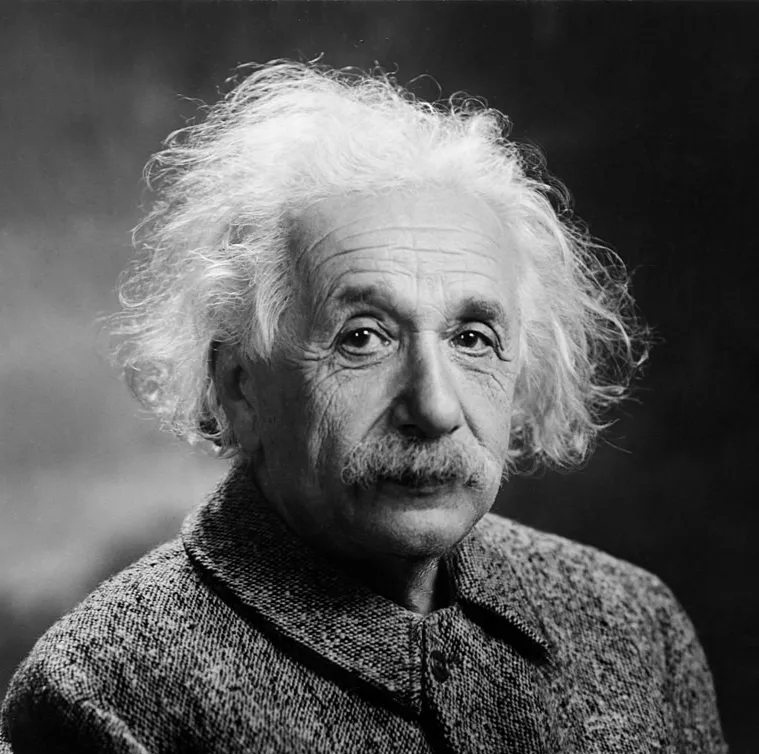
Albert Einstein's arrival in the United States as a refugee from Nazi Germany marked a crucial period in both his life and the broader political landscape. Einstein, a theoretical physicist renowned for his contribution to the theory of relativity, left Germany amid the rise of the Nazi regime. The political situation in Germany had become increasingly hostile towards Jews, and Einstein, who was of Jewish heritage, found his safety and career under threat.
Einstein's migration to the United States represented not just an escape from persecution, but also a significant gain for the American scientific community. He took up a position at the Institute for Advanced Study in Princeton, New Jersey, where he continued his influential work in theoretical physics.
The broader impact of Einstein's move was felt in various domains, including the intellectual and scientific fields, where his insights continued to drive advances and inspire future generations. The event also highlighted the growing number of refugees fleeing from oppressive regimes, drawing attention to broader issues of immigration and asylum that were becoming more pertinent globally.
In addition, Einstein's arrival in the United States contributed to the public dialogue around the role of science and scientists in society, further embedding the importance of intellectual freedom and the protection of academic pursuits from political interference.
His personal experience underscored the human dimensions of global political upheavals and emphasized the critical need for countries to offer refuge and support to those persecuted, particularly individuals who contribute valuable knowledge and skills in their fields.
#AlbertEinstein #Refugee #Immigration #NaziGermany #ScientificCommunity #USHistory #MoofLife
Explore the Life Moments of
 AI Twin