Debate Over Albert Camus's Panthéon Relocation: Honoring Legacy or Betraying Principles?
France
Political
Literary
4 min read
Updated By: History Editorial Network (HEN)
Published:
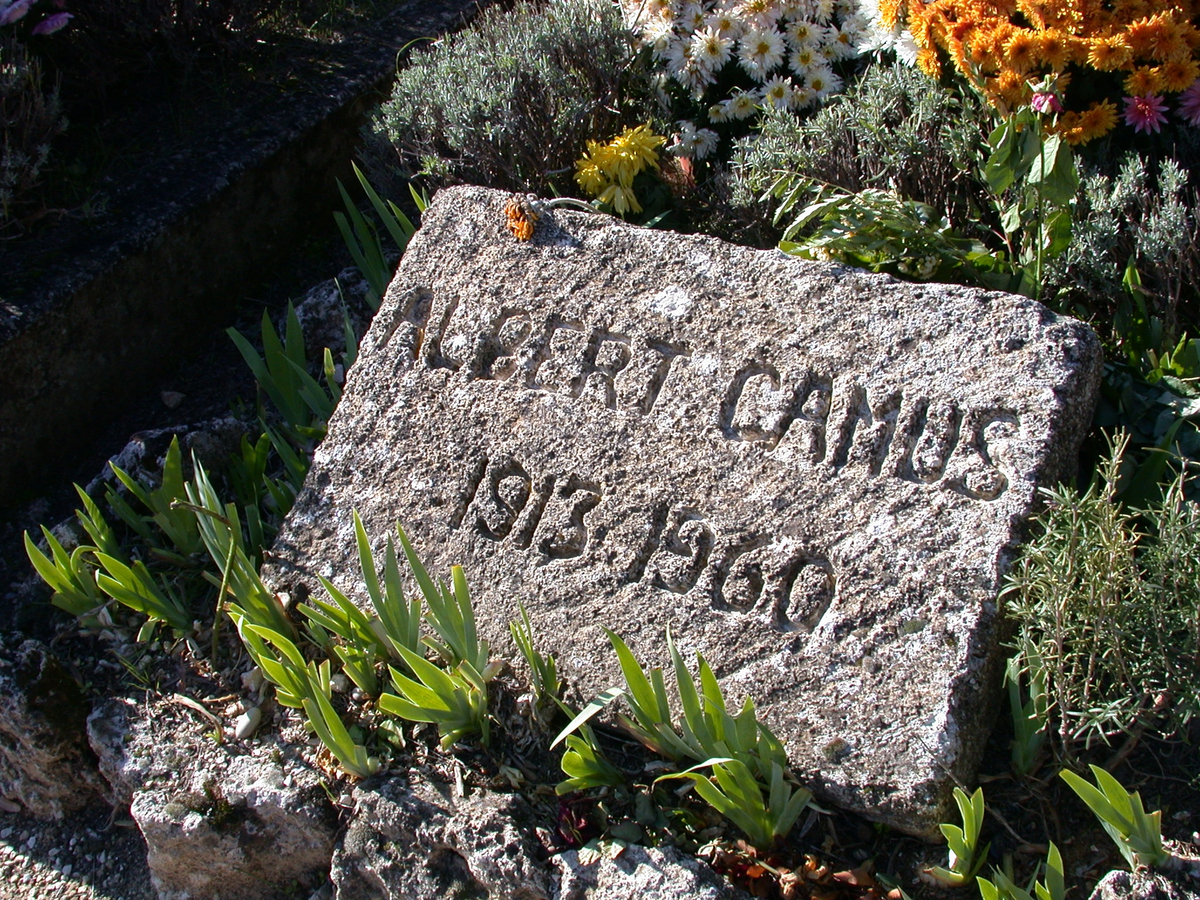
During an initiative aimed at honoring French cultural icons, President Nicolas Sarkozy proposed relocating the remains of Albert Camus to the Panthéon, a mausoleum where France's revered figures are interred. Camus, a Nobel Prize-winning author, philosopher, and journalist, held a significant place in French intellectual history, known for his works such as "The Stranger" and "The Myth of Sisyphus."
Sarkozy's suggestion was met with mixed reactions. Critics argued that the idea was politically motivated and clashed with Camus's personal beliefs and values. Camus, an advocate for humanism and individual liberty, had expressed skepticism towards institutionalized forms of recognition and authority. Moving his remains to the Panthéon, some argued, would contradict his philosophical stance and his critique of dogma and political power.
Supporters of the proposal, on the other hand, viewed it as a fitting tribute to Camus's literary and intellectual contributions to French society. They believed that his inclusion in the Panthéon would signify national acknowledgment of his enduring impact on French culture and philosophy.
The debate touched on broader themes such as the intersection of politics and cultural memory, and the extent to which state-sponsored honors align with the ideals of the individuals they seek to commemorate. This discourse included opinions from scholars, literary critics, politicians, and the general public, illustrating the complexities of national memory and collective identity in France.
#AlbertCamus #NicolasSarkozy #Panthéon #FrenchCulture #IntellectualLegacy #PoliticalDebate #MoofLife
Primary Reference
Son Objects to Moving Camus's Remains - The New York Times
Explore the Life Moments of
 AI Twin