
Camus's Attempted Intervention: Marriage, Morphine, and Personal Responsibility
France
Political
4 min read
Updated By: History Editorial Network (HEN)
Published:
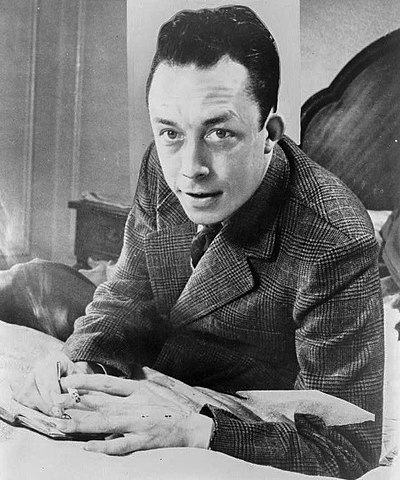
Albert Camus, the renowned French-Algerian philosopher and author, undertook a significant personal responsibility in his early 20s when he married Simone Hié. Simone was struggling with a severe morphine addiction, and Camus hoped that this commitment would provide her with the stability and support she needed to overcome her dependency.
Although Camus's intentions were rooted in goodwill, the marriage was fraught with challenges from the onset. Morphine addiction was a pervasive issue at the time, particularly in the aftermath of World War I, which left many individuals grappling with pain management. Despite his efforts, Simone's addiction persisted, creating an unstable environment that proved detrimental to both individuals.
Albert Camus, motivated by a sense of duty and compassion, tried to assist Simone in various ways, but the pervasive nature of addiction ultimately strained their relationship. Their union was short-lived, and they eventually divorced, recognizing that the marriage could not withstand the pressures of the addiction.
This period in Camus's life played a crucial role in shaping his understanding of human suffering and personal responsibility, themes that would later permeate his literary and philosophical work. The experience underscored the complexities of addiction and the limits of personal intervention, reflecting broader societal challenges of the time.
#MoofLife #AlbertCamus #SimoneHié #MarriageAndAddiction #PersonalResponsibility #HumanSuffering #PhilosophicalImpact
Primary Reference
Albert Camus - Wikipedia
Explore the Life Moments of
 AI Twin