Camus's Nuanced Stance on Algerian Revolution: Opposed violence, criticized colonialism, advocated for peace.
France
Political
Philosophy
4 min read
Updated By: History Editorial Network (HEN)
Published:
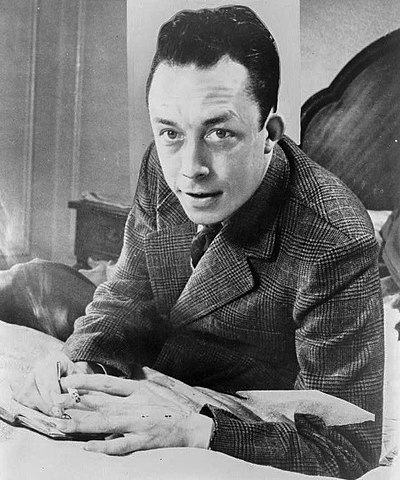
Albert Camus, a Nobel Prize-winning author and philosopher, adopted a nuanced position during the Algerian Revolution. He expressed firm opposition to the violence perpetrated by the National Liberation Front (FLN) while also criticizing the oppressive nature of French colonial rule. Born in Algeria, Camus’s background influenced his perspective; he empathized with the plight of Algerians yearning for independence but feared that FLN’s violent tactics would lead to further bloodshed and suffering.
During this period, the conflict intensified, with the FLN engaging in guerrilla warfare against French forces. The violence led to significant casualties on both sides, coupled with widespread human rights violations. Camus’s neutral stance was not universally accepted; he received criticism from supporters of the FLN who viewed him as an apologist for colonialism, and from French nationalists who believed he was betraying his country.
While Camus advocated for a peaceful solution and called for immediate reforms to grant Algerians more rights and autonomy, the political climate made such solutions difficult to achieve. His philosophy centered on the sanctity of human life and the need to avoid extremism, but his middle-ground approach left him isolated. Camus's writings during this period, including his essays and speeches, reflect his effort to navigate the complex and divisive nature of the conflict. Despite his lack of support, his stance provided a moral critique of both colonialism and revolutionary violence.
#AlbertCamus #AlgerianRevolution #Colonialism #FLN #Peace #HumanRights #Algeria #MoofLife
Primary Reference
Albert Camus - Wikipedia
Explore the Life Moments of
 AI Twin