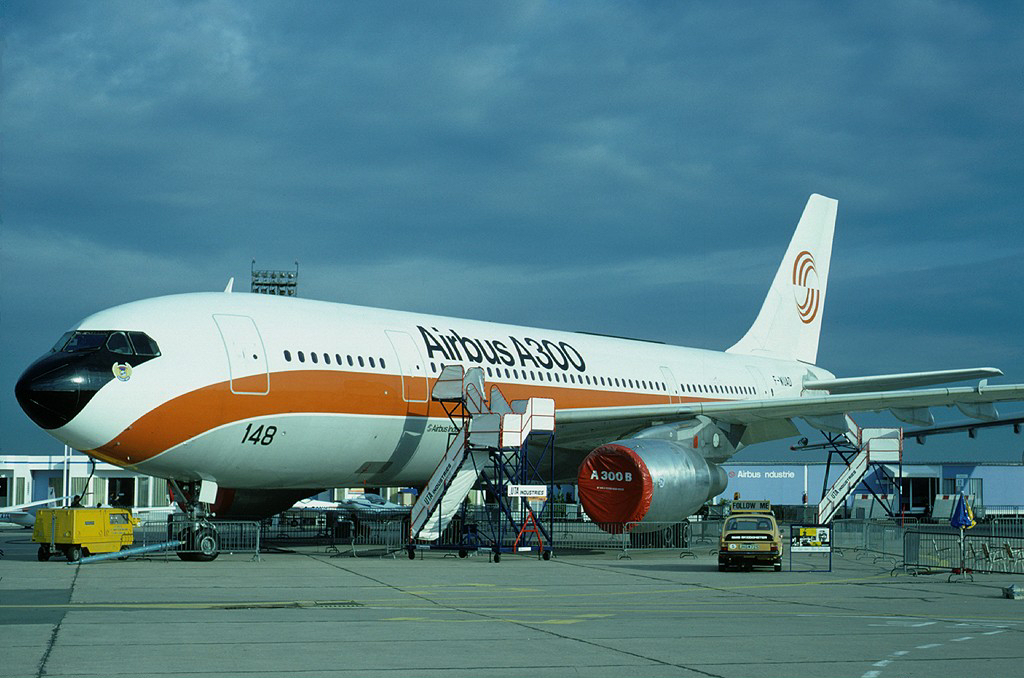
The Airbus A300 Lunched
United States
Aviation
3 min read
Updated By: History Editorial Network (HEN)
Published:
Updated:
The Airbus A300, recognized as the world's first twin-engined widebody airliner, marked a pivotal advancement in commercial aviation. Developed by Airbus, the A300 was designed to meet the growing demand for air travel in the late 20th century. Its maiden flight showcased innovative engineering, featuring a two-engine configuration that allowed for greater fuel efficiency and reduced operational costs compared to its four-engine counterparts. The aircraft's design included a wide fuselage, enabling it to accommodate more passengers and cargo, which was a significant factor in its appeal to airlines. The A300's introduction into service transformed the airline industry by making air travel more accessible and economical, leading to increased competition among carriers and a surge in passenger numbers globally.
The impact of the A300 extended beyond its operational capabilities; it set the stage for future Airbus models and established the company as a formidable competitor in the aerospace market. The aircraft's success prompted further innovations in design and technology, influencing subsequent models like the A310 and A330. Statistics indicate that the A300 played a crucial role in the expansion of international air travel, with airlines reporting increased load factors and profitability. The aircraft's legacy is evident in its long service life and the numerous variants that followed, which continue to shape the landscape of commercial aviation today.
#mooflife
#MomentOfLife
#AirbusA300
#MaidenFlight
#CommercialAviation
#AerospaceInnovation
#AirTravelHistory
Primary Reference
History of Airbus

Explore the Life Moments of
 AI Twin