Boeing 737 MAX Groundings and Fatal Accidents
United States
Aviation
Safety
Accidents
4 min read
Updated By: History Editorial Network (HEN)
Published:
Updated:
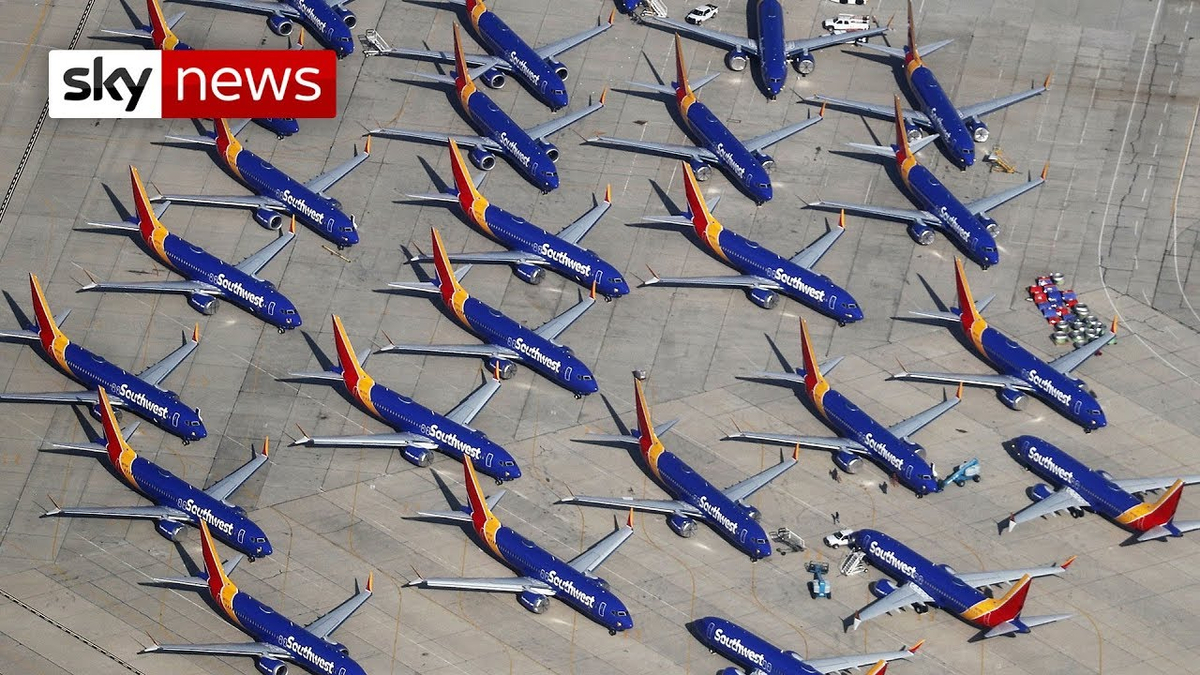
The Boeing 737 MAX was grounded following two fatal accidents that raised serious concerns about its safety and design. The first incident involved Lion Air Flight 610, which crashed shortly after takeoff, resulting in the loss of all 189 passengers and crew members. The second accident occurred with Ethiopian Airlines Flight 302, which also ended in tragedy, claiming the lives of 157 individuals. These incidents prompted global regulatory bodies to take immediate action, leading to the grounding of the entire 737 MAX fleet. The grounding lasted for an extended period, significantly affecting Boeing's operations and financial performance. The company faced intense scrutiny from regulators, airlines, and the public, which led to a comprehensive review of the aircraft's systems, particularly the Maneuvering Characteristics Augmentation System (MCAS) that was implicated in both accidents.
The impact of the grounding extended beyond Boeing, influencing the competitive landscape of the aviation industry. Airlines that had invested in the 737 MAX faced operational disruptions and financial losses due to the inability to utilize their fleets. This situation provided an opportunity for competitors, particularly Airbus with its A320neo, to capture market share. The grounding also led to a reevaluation of safety protocols and regulatory oversight in the aviation sector, prompting discussions about the need for more stringent safety measures and transparency in aircraft certification processes. As Boeing worked to address the issues and regain regulatory approval, the incident underscored the critical importance of safety in aviation and the potential consequences of design flaws in commercial aircraft.
#mooflife
#MomentOfLife
#Boeing737Max
#AircraftSafety
#AviationIndustry
#Grounding
#FatalAccidents
Primary Reference
Boeing 737 MAX

Explore the Life Moments of
 AI Twin