U.S. and Israel Launch Coordinated Air Campaign Against Iran
Iran
War
6 min read
Updated By: History Editorial Network (HEN)
Published:
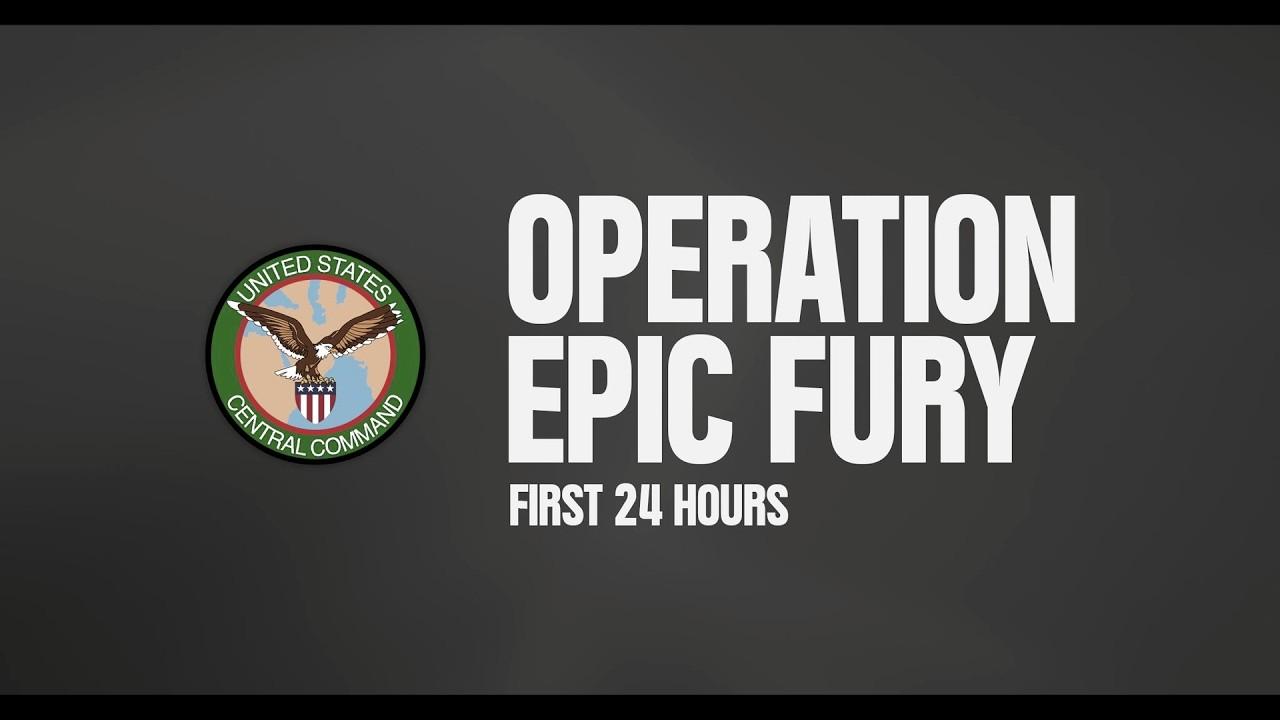
United States and Israel launched a large-scale, coordinated air and missile campaign against targets in Iran, marking a major escalation in regional tensions following the collapse of nuclear negotiations earlier that week. The operation was referred to as “Operation Epic Fury” by U.S. officials and “Operation Lion’s Roar” by Israel. The strikes targeted Iranian military infrastructure, elements of the country’s nuclear program, and command facilities associated with the Islamic Revolutionary Guard Corps (IRGC).
The opening phase of the campaign focused on disabling Iran’s military command structure and defensive capabilities. Air and missile strikes targeted command-and-control nodes, air defense systems, and locations associated with Iran’s ballistic missile program. According to Israeli military reporting, the Israeli Air Force conducted more than 700 sorties within the first 24 hours of the operation. These missions involved fighter aircraft, surveillance platforms, and precision-guided munitions intended to strike multiple targets across the country.
Several strategic facilities connected to Iran’s nuclear and military programs were also struck during the initial wave of attacks. Among the locations reportedly targeted were the Parchin military complex, which has previously been linked to weapons research, and nuclear-related facilities in Natanz, one of Iran’s main uranium enrichment sites. The strikes were aimed at degrading Iran’s capacity to develop nuclear weapons and limiting its missile infrastructure.
Reports from the early stages of the operation indicated that senior Iranian leadership locations were also targeted. Among the reported targets was the office compound associated with Supreme Leader Ayatollah Ali Khamenei. Some early reports claimed that Khamenei may have been killed during the initial strikes, although official confirmation regarding his status was not immediately available at the time.
Political leaders in Washington and Jerusalem framed the operation as a response to concerns about Iran’s nuclear ambitions and missile capabilities. U.S. President Donald Trump stated that the objective was to eliminate what he described as a major security threat, while Israeli Prime Minister Benjamin Netanyahu characterized the campaign as an effort to neutralize dangers posed by Iran’s military programs. Both leaders referenced the broader objective of weakening the Iranian government’s military capacity.
The attacks followed several weeks of escalating tension that included failed diplomatic negotiations, increased U.S. military deployments in the region, Iranian military drills near the Strait of Hormuz, and rising alert levels among regional armed groups. The strikes on 28/02/2026 marked the beginning of a wider confrontation that continued to develop in the following days across multiple areas of the Middle East.
#OperationEpicFury
#OperationLionsRoar
#USIsraelIranConflict
#MiddleEastCrisis
#IranNuclearProgram
Primary Reference
2026 Iran war
Explore the Life Moments of
 AI Twin