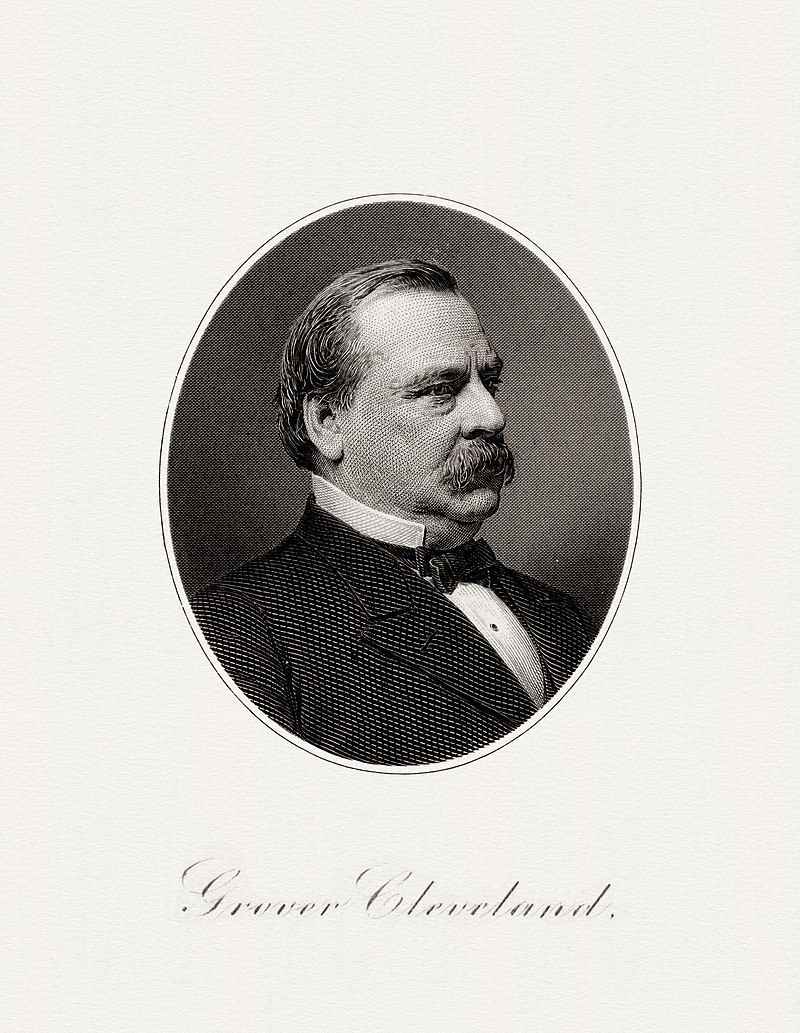
Grover Cleveland's return to presidency for a non-consecutive second term.
United States of America
Appointment of the president
3 min read
Updated By: History Editorial Network (HEN)
Published:
Following his re-election, Grover Cleveland embarked on his second term as the 24th President of the United States. During this period, the country was facing economic turmoil as the Panic of 1893 hit soon after Cleveland's inauguration. The nation was plunged into a severe depression, marked by high unemployment rates and businesses declaring bankruptcy.
In response to the economic crisis, President Cleveland took measures to stabilize the economy. His administration worked to repeal the Sherman Silver Purchase Act, aimed at boosting the gold reserves and restoring confidence in the US economy. Cleveland also advocated for tariff reform, believing that lowering tariffs would stimulate economic growth.
Despite his efforts to address the economic downturn, Cleveland's second term was marred by controversy, particularly his handling of labor strikes such as the Pullman Strike. His decision to intervene with federal troops to end the strike was met with criticism and led to further unrest among workers.
The second term of Grover Cleveland was a challenging period for the United States, marked by economic hardship and social unrest. His presidency was defined by his attempts to navigate the country through a severe economic depression and his controversial actions in response to labor disputes.
#GroverCleveland #EconomicCrisis #TariffReform #LaborStrikes #Panicof1893
Primary Reference
Grover Cleveland Second Term Event Timeline | The American ...

Explore the Life Moments of
 AI Twin