LG G2 Smartphone Launch in 2013
South Korea
10 min read
Updated By: History Editorial Network (HEN)
Published:
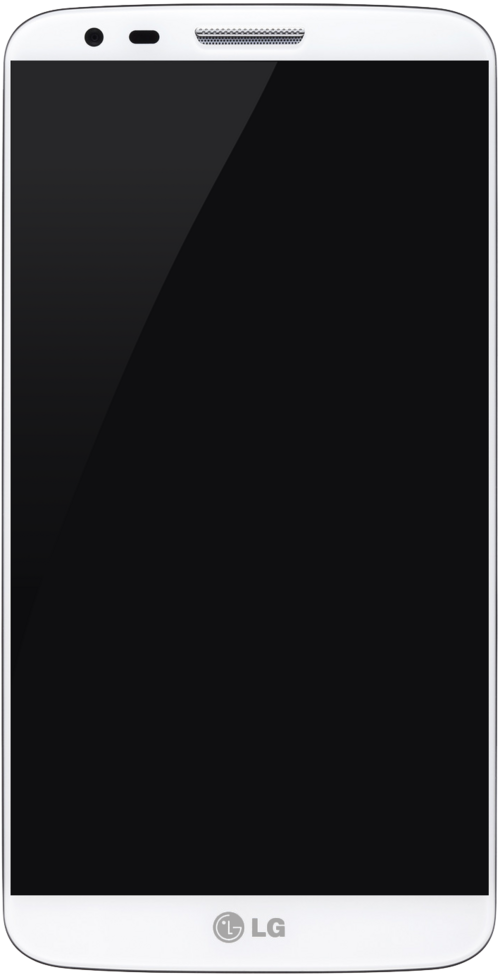
On 07/08/2013, LG Electronics officially unveiled the LG G2 smartphone at a global launch event in New York City, United States. The device subsequently reached international markets during August and September 2013, including carrier releases around 26/09/2013. As LG's flagship Android smartphone for 2013, the G2 introduced an unusual hardware design that placed its primary power and volume controls on the back of the handset instead of the sides. The model also featured a 5.2-inch Full HD display, a Qualcomm Snapdragon 800 processor, and a 13-megapixel camera with optical image stabilization, reflecting LG's efforts to compete in the premium smartphone market.
The LG G2's most recognizable feature was its Rear Key design. LG moved the power and volume buttons to the back of the phone, positioning them beneath the rear camera where a user's index finger could naturally rest while holding the device. According to LG, the design was informed by research into how consumers handled larger smartphones. Removing physical buttons from the sides also allowed the company to create a streamlined exterior with narrow display borders. The rear controls supported additional functions, including camera activation and LG's QuickMemo feature.
The smartphone featured a 5.2-inch IPS LCD screen with a resolution of 1920 × 1080 pixels, delivering approximately 423 pixels per inch. LG used a narrow-bezel design to fit the relatively large screen into a body measuring approximately 138.5 × 70.9 × 8.9 millimeters. The device weighed about 143 grams, balancing a large display with a form factor intended for everyday handheld use.
Inside, the LG G2 was powered by Qualcomm's quad-core Snapdragon 800 processor, operating at up to 2.26 GHz, paired with 2 GB of RAM. Storage options included 16 GB and 32 GB configurations, depending on the market. The smartphone shipped with Android 4.2.2 Jelly Bean and LG's customized user interface, which included software features such as KnockON, allowing users to wake or turn off the screen by double-tapping it. Other functions included Guest Mode, Answer Me, and Slide Aside, designed to improve device accessibility and multitasking.
Photography was another focus of the G2's hardware. Its 13-megapixel rear camera incorporated optical image stabilization (OIS), helping reduce image blur caused by hand movement. The camera also supported Full HD video recording at 60 frames per second, while a 2.1-megapixel front-facing camera provided video calling and self-portrait capabilities. The inclusion of OIS distinguished the G2 from several competing smartphones that relied primarily on software-based stabilization.
Battery performance was supported by a 3,000 mAh non-removable lithium-polymer battery. LG introduced a stepped battery design intended to use internal space more efficiently and increase capacity without substantially increasing the phone's thickness. The company also incorporated Graphic RAM (GRAM) technology, designed to reduce display-related power consumption when viewing static images.
Following its New York unveiling, LG announced plans to introduce the G2 through more than 130 wireless carriers worldwide over approximately eight weeks. South Korea was among the first markets to receive the handset, followed by launches in North America, Europe, and other regions. In the United States, carriers including Verizon, AT&T, and T-Mobile introduced the G2 during September 2013, although exact availability dates differed by network. The device entered a competitive market that included Apple's iPhone 5s, Samsung's Galaxy S4, and HTC's One.
The G2 received generally favorable technology reviews, particularly for its display, processing performance, battery capacity, and camera capabilities. Reviewers also discussed the unconventional rear-button placement, which required some users to adjust their habits. LG subsequently continued developing its flagship G-series smartphones, introducing the LG G3 in May 2014 with a higher-resolution Quad HD display and an updated rear-control design.
Historical Significance
The LG G2 introduced a distinctive approach to smartphone ergonomics at a time when larger touchscreens were becoming increasingly common. Its rear-mounted controls, narrow bezels, and double-tap screen activation demonstrated LG's emphasis on combining hardware design with software convenience. The rear-key arrangement continued in later LG G-series models, making it a recognizable feature of the company's smartphone designs during the following years.
Primary Reference
LG

Explore the Life Moments of
 AI Twin