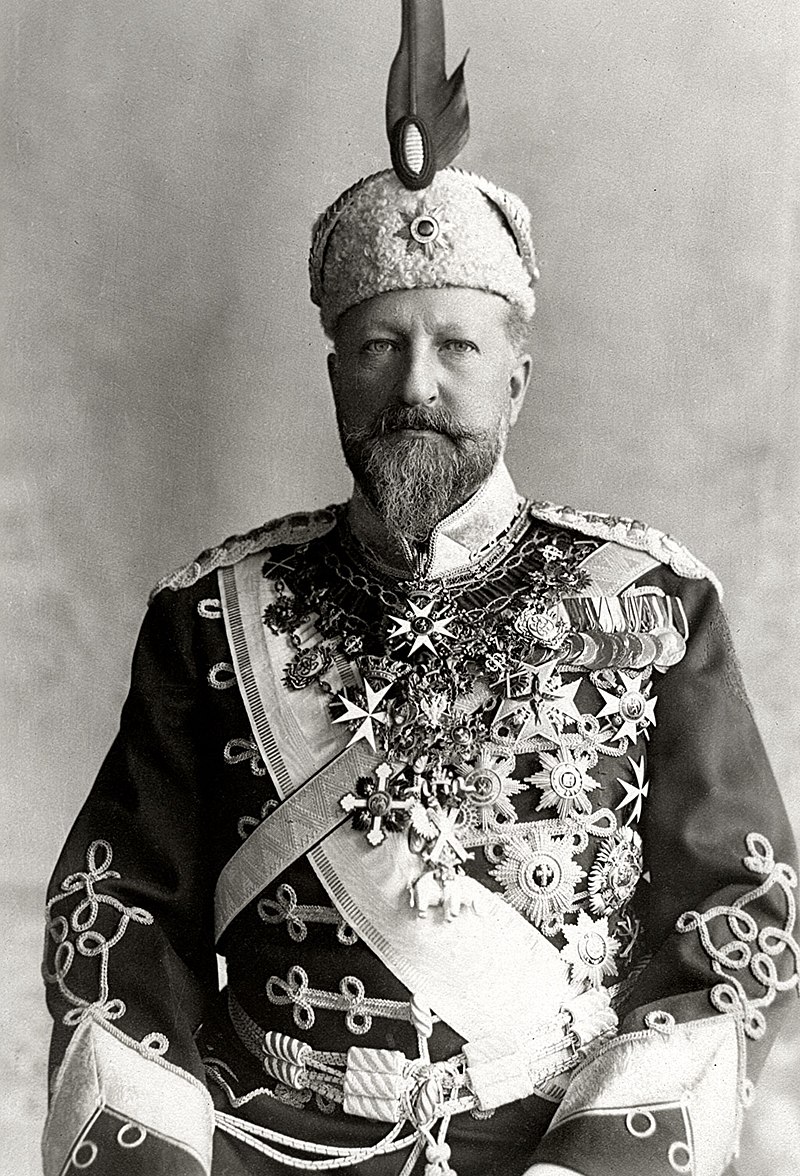
Tsar Ferdinand I abdicates in favor of son Boris III, shifting Bulgaria towards democracy.
Bulgaria
Political
3 min read
Updated By: History Editorial Network (HEN)
Published:
Tsar Ferdinand I of Bulgaria, who reigned for over 30 years, made a historic decision to abdicate the throne in order to pave the way for his son Boris III to become the new ruler. This transition marked a significant shift in Bulgaria's governance, ushering in a more democratic era for the country.
Ferdinand I's abdication was met with mixed reactions from the Bulgarian population. While some viewed it as a step towards progress and modernization, others were skeptical about the future under the new leadership. Despite this, Boris III succeeded his father as the new Tsar of Bulgaria, inheriting a nation facing political and social challenges.
Under Boris III's rule, Bulgaria continued to undergo reforms aimed at establishing a more democratic system of government. His reign was marked by efforts to improve the country's international relations and modernize its infrastructure, economy, and military.
The abdication of Tsar Ferdinand I in favor of his son Boris III marked a turning point in Bulgarian history, leading the country towards a more democratic and progressive path.
#BulgariaHistory #MonarchyTransition #DemocraticGovernance

Explore the Life Moments of
 AI Twin