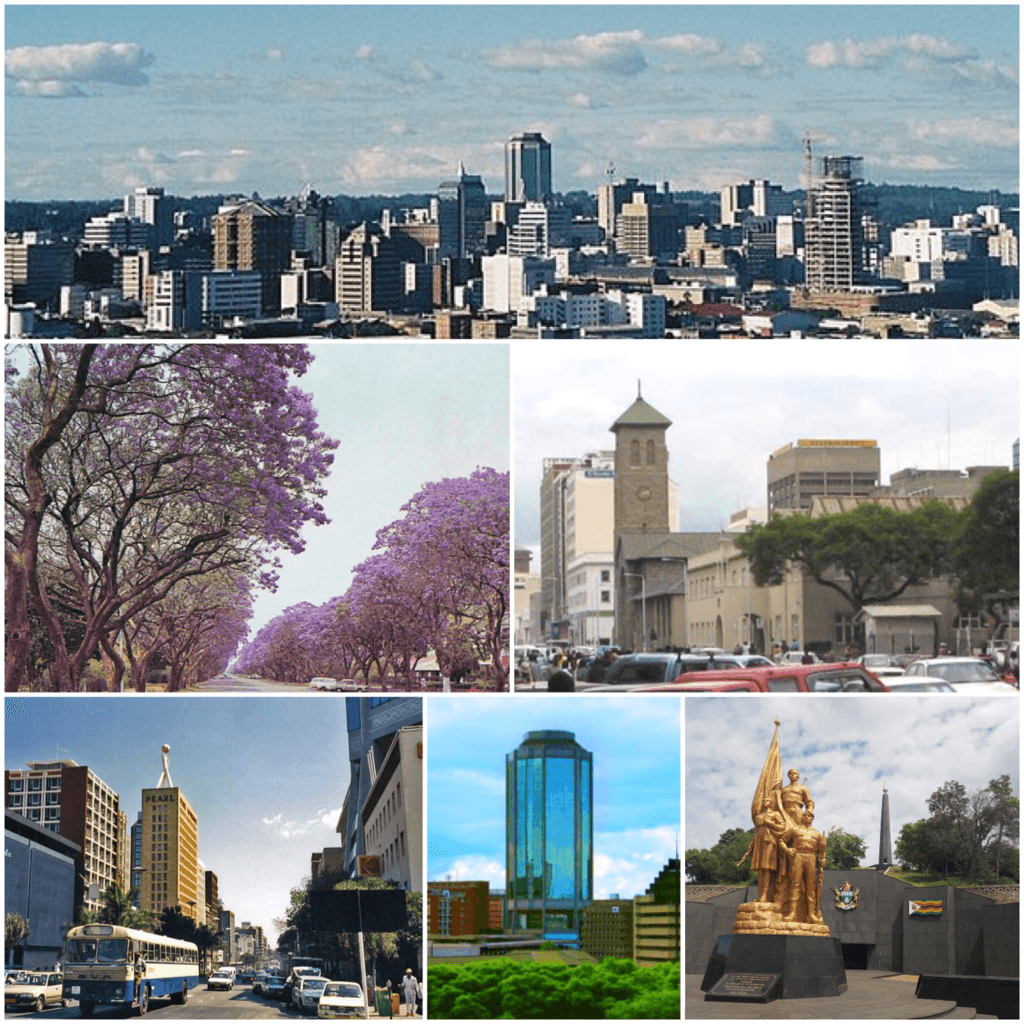
Zimbabwean capital Salisbury renamed Harare
Zimbabwe
10 min read
Updated By: History Editorial Network (HEN)
Published:
On April 18, 1982, the capital city of Zimbabwe was officially renamed from Salisbury to Harare, marking a significant step in the country’s post-independence journey and the reclaiming of its cultural heritage. This renaming was part of a broader effort by the Zimbabwean government to shed the vestiges of colonial rule and assert a new national identity.
Background: Colonial Legacy of Salisbury
The city of Salisbury was founded in 1890 by the British South Africa Company, led by Cecil Rhodes, during the colonization of the region that would later become known as Southern Rhodesia (now Zimbabwe). Named after the then British Prime Minister, Lord Salisbury, the city served as the capital of Southern Rhodesia and later Rhodesia. Salisbury became the administrative and commercial center of the country, reflecting the colonial presence and influence in the region.
For decades, Salisbury was a symbol of British colonial rule in Rhodesia, a country that experienced significant racial segregation and minority white rule under the leadership of Ian Smith. Smith’s declaration of Unilateral Independence from Britain in 1965 further entrenched the city’s association with colonialism and white minority governance.
Independence and the Birth of Zimbabwe
In 1980, following a protracted liberation struggle known as the Second Chimurenga, Zimbabwe gained independence from British colonial rule. The victory of the Zimbabwe African National Union-Patriotic Front (ZANU-PF), led by Robert Mugabe, brought an end to white minority rule and marked the beginning of majority governance.
Independence was officially declared on April 18, 1980, and the country was renamed from Rhodesia to Zimbabwe, after the Great Zimbabwe ruins, an ancient city that symbolizes the historical and cultural heritage of the Shona people and other indigenous groups in the region. The renaming of the country was a powerful statement of national pride and a rejection of the colonial legacy.
Renaming Salisbury to Harare
Two years after independence, on April 18, 1982, the second anniversary of Zimbabwe’s independence, the government officially renamed the capital city from Salisbury to Harare. The name "Harare" was derived from the Shona name "Neharawa" or "Harawa," in honor of Chief Harare, a local Shona leader who lived in the area before the arrival of European settlers. Chief Harare was known for his resistance to early European encroachment, and the renaming was seen as a way to honor the indigenous heritage and leaders who had resisted colonial domination.
The decision to rename the capital was part of a broader effort to Africanize place names across the country, reflecting the new nation’s identity and aspirations. Streets, buildings, and other landmarks were also renamed to honor Zimbabwean national heroes and historical figures, further erasing the symbols of colonial rule.
Significance and Legacy
The renaming of Salisbury to Harare was a symbolic and significant act in Zimbabwe’s post-independence history. It represented a reclaiming of African identity, culture, and history after nearly a century of colonial rule. The new name, Harare, was meant to reflect the pride and sovereignty of the Zimbabwean people and their connection to the land and its history.
Harare quickly grew into a bustling metropolis and the political, economic, and cultural heart of Zimbabwe. The city became the center of government and a hub for trade and industry, reflecting the country’s ambitions and challenges in the post-colonial era.
However, the renaming was also set against the backdrop of political and economic challenges that Zimbabwe faced in the years following independence. Despite the symbolic changes, the country struggled with issues such as economic inequality, land reform, political violence, and later, severe economic crises under Mugabe’s long rule.
Harare Today (2024)
Today, Harare remains the capital and largest city of Zimbabwe. It is home to over two million people and serves as the main commercial and cultural center of the country. Despite the economic and political challenges Zimbabwe has faced, Harare continues to be a symbol of the nation’s identity and resilience.
The renaming of Salisbury to Harare in 1982 is remembered as an important moment in Zimbabwe’s history, reflecting the broader efforts to decolonize and assert a national identity that honors the country’s indigenous heritage and the struggles of its people for independence.
#MomentsOfLife #MoofLife_Moment #MoofLife #Harare #Zimbabwe #Decolonization #PostIndependence #AfricanHistory #CulturalIdentity
Primary Reference
Harare - Wikipedia
Explore the Life Moments of
 AI Twin