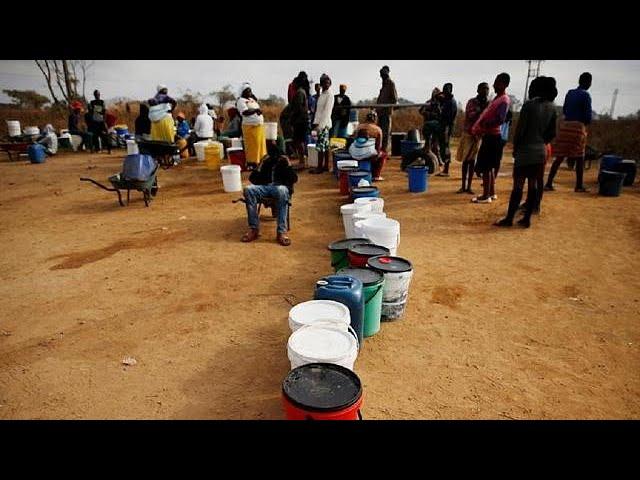
UN warns of impending man-made starvation in Zimbabwe
Zimbabwe
Political
4 min read
Updated By: History Editorial Network (HEN)
Published:
The United Nations issued a stark warning that Zimbabwe was on the verge of a catastrophic food crisis. Years of economic mismanagement, compounded by recurrent droughts, had severely impacted the country's agricultural output. Once known as the breadbasket of Africa, Zimbabwe found itself grappling with soaring food prices, currency devaluation, and hyperinflation.
Approximately 7.7 million people, nearly half of the population, were facing severe hunger. Rural areas were the hardest hit, with subsistence farmers unable to harvest sufficient crops due to erratic rainfall patterns. Urban populations also struggled as basic food items became increasingly unaffordable. The World Food Programme (WFP) indicated that urgent food assistance was required to avert famine.
The country's crisis was further exacerbated by political instability and governance issues. The agricultural sector, once thriving, had deteriorated following land reform policies in the early 2000s that led to the displacement of skilled farmers. This policy shift had a long-term adverse effect on food production and economic stability.
Theresa Panuccio, the WFP's Regional Director for Southern Africa, called for immediate international support to prevent widespread starvation. Humanitarian agencies mobilized efforts to provide emergency food supplies, but logistical challenges and funding shortfalls hampered relief operations.
The crisis was a vivid illustration of how compounded factors, including climate change, economic policies, and governance, can have devastating impacts on food security. The UN's call to action highlighted the urgent need for comprehensive strategies to address both short-term relief and long-term agricultural and economic recovery.
#ZimbabweFoodCrisis #UNAlert #FoodSecurity #HumanitarianAid #MoofLife
Primary Reference
Once the breadbasket of Africa, Zimbabwe now on brink of man ...

Explore the Life Moments of
 AI Twin