Establishment of Self-Governing Colony in British Empire
Zimbabwe
Colonial Governance
6 min read
Updated By: History Editorial Network (HEN)
Published:
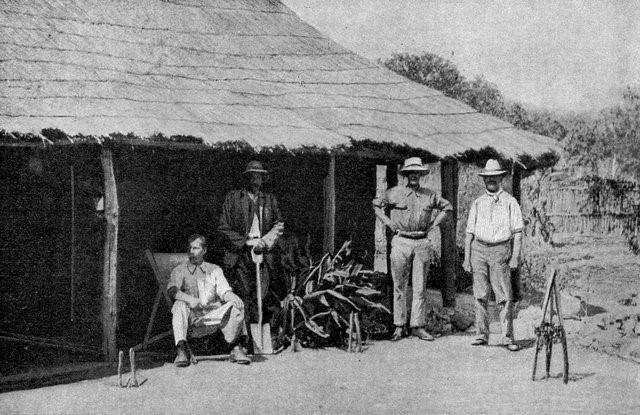
Southern Rhodesia's transition to a self-governing colony within the British Empire marked a pivotal change in its political landscape. Prior to this change, Southern Rhodesia was administered by the British South Africa Company. The administration was based on charters granted by the British Crown, which allowed the company control over land and governance.
The decision to shift from company rule to a self-governing colony emerged from increasing dissatisfaction among the white settler population. They sought greater autonomy and representation, which they believed could be best achieved through responsible government. The settlers were concerned about the economic management under the company rule and wanted to implement policies that would foster better economic development and settlement opportunities.
A referendum was held to decide between remaining under the British South Africa Company's administration, becoming a province of the Union of South Africa, or attaining responsible government. A majority of the voters favored self-governance. Following the results of this referendum, the British Parliament enacted legislation to grant Southern Rhodesians the desired status.
As a self-governing colony, the Legislative Council of Southern Rhodesia gained the authority to legislate on most internal matters, including education, health, and internal infrastructure. However, defense and foreign policy remained under the purview of the British government.
The impact of this shift was significant. The white settlers, who composed the electorate, gained a larger measure of control over the local government structures. This development led to the establishment of a more formalized governance system and the implementation of policies aimed primarily at benefiting the European settlers. An essential aspect of this period was the creation of an economic environment that supported agricultural and mineral exploitation, which were primary economic activities.
In terms of statistics, the white population in Southern Rhodesia was roughly 34,000, while the African population was over 800,000. Despite the demographic disparity, the political power remained concentrated in the hands of the European settlers, setting the stage for future racial and economic inequalities.
The event marked the beginning of a more structured colonial governance system in Southern Rhodesia, leading eventually towards further political developments. It was a critical juncture that shaped the region's colonial history and had long-term implications for its future socio-political landscape.
#ColonialHistory #Zimbabwe #BritishEmpire #Governance #PoliticalChange #MoofLife
Primary Reference
Southern Rhodesia - Wikipedia
Explore the Life Moments of
 AI Twin