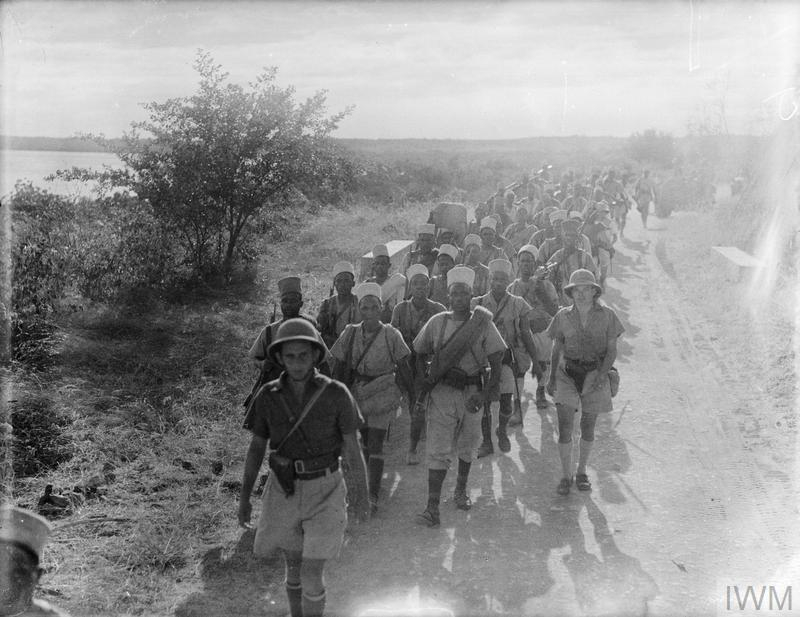
Vichy forces surrender Diego Suarez
Germany
'%3e%3cpath fill='%23012169' d='M0 0v30h60V0z'/%3e%3cpath stroke='%23fff' stroke-width='6' d='m0 0 60 30m0-30L0 30'/%3e%3cpath stroke='%23C8102E' stroke-width='4' d='m0 0 60 30m0-30L0 30' clip-path='url(%23b)'/%3e%3cpath stroke='%23fff' stroke-width='10' d='M30 0v30M0 15h60'/%3e%3cpath stroke='%23C8102E' stroke-width='6' d='M30 0v30M0 15h60'/%3e%3c/g%3e%3c/svg%3e)


Military History
World War II
Naval Operations
4 min read
Updated By: History Editorial Network (HEN)
Published:
Updated:
The surrender of Diego Suarez marked a pivotal moment in the control of Madagascar during World War II. Diego Suarez, known for being the most significant port on the island, was strategically important for both the Allies and Axis powers. The British forces, engaged in Operation Ironclad, aimed to secure the port to prevent it from being used by the Vichy French, who were aligned with the Axis. The operation involved a well-coordinated military effort that included naval and ground forces, showcasing the British commitment to maintaining control over key maritime routes in the Indian Ocean. The Vichy forces, although outnumbered and outgunned, managed to withdraw in an organized manner, which allowed them to regroup and continue their efforts elsewhere. This surrender not only facilitated British access to Madagascar but also disrupted Vichy French operations in the region, contributing to the broader Allied strategy in the Indian Ocean theater.
The impact of this event extended beyond the immediate military gains. Securing Diego Suarez allowed the British to enhance their logistical capabilities and provided a base for further operations against Axis forces in the region. The port's capture was part of a larger campaign to diminish Axis influence in the Indian Ocean, which was crucial for maintaining supply lines and supporting Allied operations in the Pacific. The successful execution of Operation Ironclad demonstrated the effectiveness of British military strategy and coordination, setting a precedent for future operations in the theater. The surrender of Diego Suarez thus played a significant role in shaping the dynamics of power in the region during the war, influencing subsequent military engagements and the overall trajectory of the conflict.
#mooflife
#MomentOfLife
#VichyForces
#DiegoSuarez
#OperationIronclad
#BritishForces
#WorldWarIi
Primary Reference
Battle of Madagascar

Explore the Life Moments of
 AI Twin